
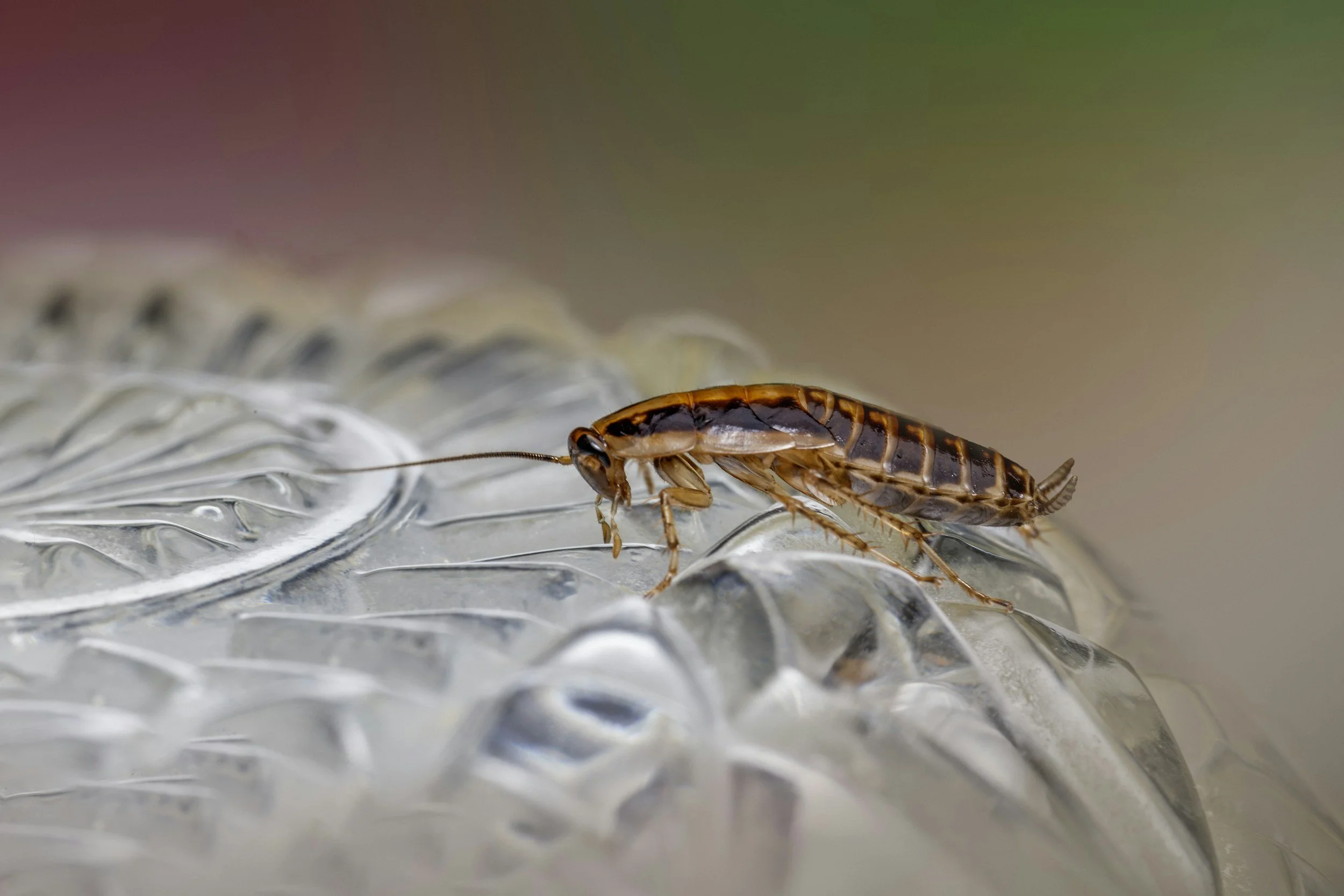
In short: California housing standards treat certain infestations and unsanitary conditions as habitability problems, and Civil Code §§ 1954.600–1954.605 set specific rules for bed bug notices, inspections, and treatment. Who is responsible depends on the source of the problem, the building's condition, and everyone's actions, so the first step is to document what you see and report it in writing. If an infestation keeps coming back and management will not deal with it, contact Tenants Law Firm.
Finding pests in your apartment can make it hard to feel comfortable at home. Whether you're dealing with bed bugs, roaches, or rats, the first step is to document what you're seeing instead of assuming the problem will disappear on its own.
California housing standards address certain infestations and unsanitary conditions. But responsibility is not always as simple as blaming the landlord or the tenant. The source of the problem, building conditions, and everyone's actions can matter. Bed bugs also have specific California rules concerning notices, inspections, and treatment.
What Should I Do When I Find Pests in My Apartment?
Take clear pictures of pests, droppings, entry points, or bites when possible. Tell your landlord in writing and ask about inspection and professional treatment. Keep a record of when the problem started and whether neighboring units are affected. Follow lawful preparation instructions from qualified pest-control professionals; tenants may have cooperation duties during treatment.
Pests can also appear in hotels, motels, Airbnbs, and other short-term stays, but the legal rules are not necessarily the same as those governing a residential lease. Save your booking information, photographs, and messages with the operator if you encounter an infestation while traveling.
What Should I Do Before and After Pest Treatment?
A useful pest report includes more than "there are bugs." Describe where you found them, how often you see them, and whether there are openings around pipes, doors, or walls. For bed bugs, photos of the insects or physical evidence can be more helpful than photographs of bites alone. For rodents, record droppings or gnaw marks without handling potentially contaminated materials.
Ask management what inspection and treatment are planned and whether adjacent units need attention. A treatment may not work if the source is outside your apartment or if access points remain open. Follow reasonable instructions from qualified professionals about preparing rooms, laundering items, and allowing lawful access. Keep a record of treatment dates and whether pests returned.
What If I Find Bed Bugs While Staying Somewhere Temporarily?
A hotel, motel, or short-term rental may have a different agreement and complaint process than an apartment. If you discover bed bugs during a stay, take photos, notify the operator promptly, and save receipts and booking messages. Do not assume that California's residential bed bug notice provisions apply in exactly the same way to every type of lodging.
What If My Neighbors Have the Same Pest Problem?
If multiple residents report pests, a coordinated inspection may be worth requesting. Share information respectfully, without blaming anyone for an infestation. The goal is to identify and address the problem, not to speculate about which resident brought it into the building.
Why Does Professional Pest Identification Matter?
Bed bugs, fleas, carpet beetles, and other insects can be confused with one another. Skin reactions are not a reliable way to identify an infestation, and some people have little or no visible reaction to bed bug bites. If possible, photograph or safely preserve a specimen for a qualified pest professional to identify. Record where you found it, such as mattress seams, furniture joints, or nearby walls.
Roaches and rodents can raise different concerns. Roaches may be associated with food and moisture sources, while rodents may enter through openings around pipes or damaged exterior areas. An effective response often involves more than spraying or setting traps. It may require sealing access points, correcting leaks, cleaning affected areas, and checking other units. Avoid handling rodent waste without appropriate safety guidance.
What Should Tenants Do While Waiting for Treatment?
Keep food stored securely and follow the pest-control provider's preparation instructions. Avoid using pesticides in ways that conflict with the product label or professional advice. For bed bugs, moving infested belongings through hallways without precautions can spread the problem. Throwing out a mattress may not eliminate insects hiding elsewhere in the room.
California has specific bed bug provisions addressing landlord notices and cooperation with inspections and treatment. Those provisions do not mean every tenant must pay for treatment, nor do they resolve every dispute about who caused an infestation. The facts, applicable law, and lease arrangement matter.
What If Pest Treatment Fails?
Ask for a written record of the treatment, any follow-up visit, and the provider's recommendations. Report continuing activity promptly and distinguish new sightings from the original report. If neighbors report similar issues, request that management investigate whether the problem extends beyond your unit. Repeated treatment of one apartment may be ineffective if the broader source is not addressed.
For hotels, motels, or vacation rentals, save the reservation, receipts, photographs, and communication with the host or operator. Refund policies, contract terms, and potential legal claims are not identical to the rules governing a long-term residential tenancy. Seek medical care for significant reactions or infection concerns rather than assuming all bites are harmless.
Frequently Asked Questions
Do bed bug bites prove I have bed bugs?
No. Bites can resemble other skin reactions. Finding and identifying the insects or other physical evidence is more reliable.
Should I throw away my mattress right away?
Not necessarily. Discarding furniture without a treatment plan can be expensive and may spread an infestation. Ask a qualified pest-control professional first.
What if roaches or rats keep returning after treatment?
Document the recurrence and report it again. Persistent problems may require investigation of building-wide conditions or entry points.
Do I have to pay for bed bug treatment in California?
Not necessarily. California's bed bug provisions address landlord notices and tenant cooperation with inspection and treatment, but they do not make every tenant pay for treatment. The facts, the law, and the lease matter.
Still Dealing With Pests? Contact Tenants Law Firm
If you've reported an ongoing infestation and management hasn't addressed it, contact Tenants Law Firm at (310) 432-3200 to discuss your circumstances.
Sources
California Civil Code §§ 1954.600–1954.605
California Health and Safety Code § 17920.3
California Department of Public Health, cdph.ca.gov
Disclaimer: This post is for informational and educational purposes only and does not constitute formal legal advice. An attorney-client relationship is formed only through a written representation agreement.