
Mold Infestation Tenant Attorneys
Saving Renters From Unsafe Exposure
5000+ Tenants Represented | Millions Recovered For Tenants | 30+ Years Combined Experience | Why Choose Tenants Law Firm? →
Mold Exposure Can Lead To Health Risks
At Tenants Law Firm, we help California renters understand their rights and hold negligent landlords accountable when unsafe living conditions threaten their health, comfort, and quality of life.
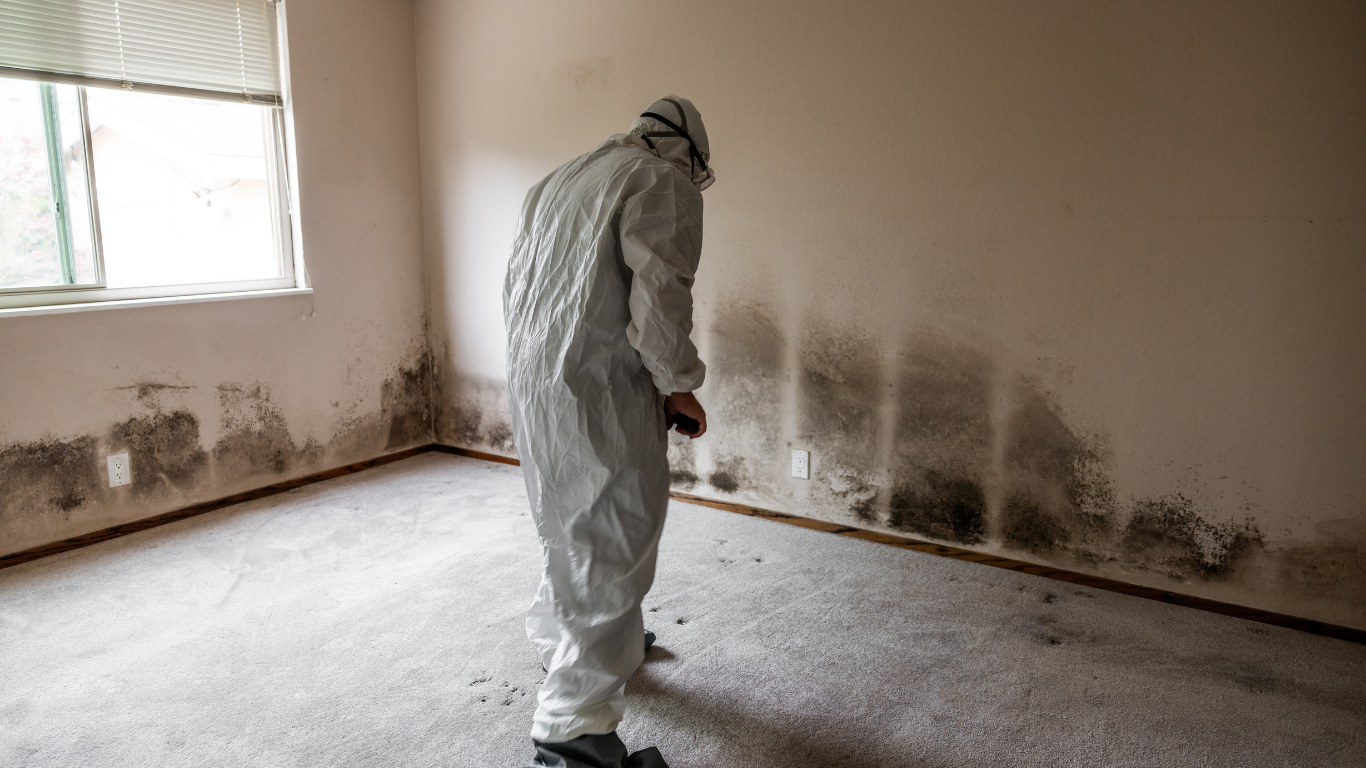
Mold growth inside a rental property can create more than an unpleasant living environment. For many tenants, mold exposure may lead to respiratory problems, persistent health concerns, damage to personal belongings, and significant emotional stress.
Mold often develops because of underlying maintenance issues, such as roof leaks, plumbing failures, flooding, or poor ventilation. When landlords fail to address serious moisture problems or mold growth that affects a tenant's health and safety, tenants may have legal rights.
Mold is a type of fungus that grows in damp environments and can spread quickly when moisture problems are left unaddressed. While some forms of mold are relatively harmless, excessive mold growth may create unhealthy living conditions and often indicates larger maintenance issues within a property.
Mold can grow on:
Walls and ceilings
Drywall and insulation
Carpeting and flooring
Cabinets and furniture
Bathrooms and kitchens
Windows and window frames
HVAC systems and ventilation systems
Because mold often develops behind walls or beneath flooring, tenants may not realize the full extent of the problem until it becomes severe.
Understanding Mold In Rental Properties
What should I do if I discover or suspect mold in my home?
Consider taking these steps:
Take photographs and videos of visible mold and water damage
Report the problem to your landlord in writing
Save emails, text messages, and other communications
Document any health symptoms and seek medical treatment if necessary
Keep copies of inspection reports and repair requests
Preserve/document damaged personal property
Save receipts for expenses related to the mold
Seek legal guidance, especially if the infestation worsens or your landlord retaliates. Contact us at Tenants Law Firm for a free case consultation.
How can a lawyer help with mold in rental properties?
Mold cases often involve more than visible mold growth. They frequently involve underlying issues such as roof leaks, plumbing failures, flooding, or long-term neglect. An attorney can help investigate the circumstances surrounding the mold, determine whether your landlord failed to meet their legal obligations, and evaluate whether you may be entitled to compensation.
At Tenants Law Firm, we believe every California tenant deserves a safe and healthy place to call home. We are committed to helping renters hold negligent landlords accountable when mold and unsafe living conditions threaten their health and quality of life.
Our Process For Your Case:
-
Begin with a free consultation from Tenants Law Firm to:
Evaluate the circumstances surrounding the mold condition
Explain your rights under California landlord-tenant law
Determine whether habitability issues or negligence may support a legal claim
-
Our legal team can:
Review maintenance and repair records
Investigate water intrusion and moisture problems
Determine how long the conditions existed
Evaluate whether reasonable repairs were made
-
Our team will:
Determine whether the landlord knew—or should have known—about the problem
Investigate delays in repairs or ineffective remediation efforts
Identify habitability violations or dangerous conditions
-
Our team can help:
Document visible mold and water damage
Gather photographs, videos, and inspection reports
Preserve communications and maintenance records
Secure evidence before repairs occur
-
Depending on the circumstances, damages may include:
Property damage
Temporary relocation expenses
Medical expenses
Lost wages
Emotional distress
Other financial losses related to the mold condition
-
Our legal team can evaluate your claim, explain your legal options, and pursue accountability when landlords fail to address serious mold conditions and unsafe living environments.
When Can A Landlord Be Held Responsible?
While not every mold issue automatically results in landlord liability, a landlord may be held responsible when they knew—or reasonably should have known—about dangerous conditions and failed to take reasonable steps to investigate, repair, or prevent the problem from worsening. Whether a landlord may be held liable depends on the specific facts surrounding the property and the conditions involved.
A Landlord May Be Responsible If They:
Ignore reports of mold growth
Fail to repair roof or plumbing leaks
Delay addressing water intrusion
Ignore flooding or moisture problems
Fail to investigate recurring mold complaints
Allow unsafe conditions to persist despite notice
Perform temporary repairs that do not address the underlying issue
Retaliate against tenants for reporting mold
Factors That May Help Establish Liability:
Prior complaints from tenants
Repair requests and maintenance records
Inspection reports
Evidence of water damage
The severity and duration of the mold problem
Whether reasonable repairs were made
Medical records or evidence of health concerns
Signs Of Mold In Your Home
Mold is not always visible. In some cases, the first signs of mold may be persistent odors or unexplained health symptoms.
Common Signs Of Mold Include:
Visible mold growth on walls or ceilings
Black, green, or white discoloration
Musty or earthy odors
Water stains or discoloration
Peeling paint or bubbling walls
Warped flooring or drywall
Persistent dampness or condensation
Recurring leaks or water intrusion
Worsening allergy or respiratory symptoms indoors
If you notice any of these signs, it may be important to document the conditions and notify your landlord.
Potential Health Effects Of Mold Exposure
The effects of mold exposure can vary depending on the individual, the extent of the exposure, and any underlying medical conditions. Children, seniors, and individuals with asthma or weakened immune systems may be particularly vulnerable to the effects of prolonged mold exposure.
Potential Health Effects Include:
Respiratory problems
Asthma attacks
Allergic reactions
Chronic coughing
Sneezing and congestion
Eye irritation
Headaches
Skin irritation
Difficulty breathing
Worsening symptoms for individuals with preexisting respiratory conditions
What compensation may be available?
Every case is different. Depending on the circumstances, tenants may be entitled to compensation for losses resulting from mold exposure and unsafe living conditions. The value of a claim depends on the specific facts and circumstances involved.
Potential compensation may include:
Property damage
Temporary relocation expenses
Medical expenses
Lost wages
Emotional distress damages
Loss of use and enjoyment of the property
Other financial losses related to the mold condition
Frequently Asked Questions
-
Mold infestations are often caused by persistent water leaks from pipes, roofs, or windows which create a conducive environment for mold growth. Another source of promoting mold growth is poor ventilation which can trap moisture indoors. Properties that have experienced flooding, even minor incidents, can also lead to mold problems if not adequately dried and cleaned. Areas such as bathrooms and basements are more prone to mold infestations due to the high humidity.
-
A strong mold case involves evidence that demonstrates the severity of the mold infestation and the landlords’ inability to address the issue adequately. Documented mold presence and visible growth alongside photos, orders, or stains indicative of mold. If you or other occupants have experienced health issues related to mold exposure, gather medical records and doctor's reports that link the health problems to mold exposure. This may include respiratory issues, allergic reactions, or exacerbation of pre-existing conditions. Records that show you notified the landlord or property management about the mold issue in writing and evidence of their response (or lack thereof).
-
Unfortunately the timeline for a mold infestation case can vary greatly, but generally begins with a free consultation followed by a thorough investigation that can take a few weeks to a couple of months. Afterwards, we attempt to negotiate a settlement or prepare to take the case to trial, which may extend the timeline. However, at Tenants Law Firm, we strive to expedite the process and aim for fair settlements as swiftly as possible. And remember, you pay nothing until we secure a settlement for you. This lets us focus on achieving the best possible outcome while minimizing risk for you.
-
Settlements in mold cases can vary greatly depending on the specifics of the case, such as the severity of the health impact, the degree of negligence from the responsible party, and long-term implications of the poisoning. In California, settlements can range from several tens of thousands of dollars for less severe cases to several million dollars in situations with significant long-term health impact, especially when children are affected. These funds can cover medical expenses, pain and suffering, lost wages, and future care needs. However, it's important to remember that each case is unique and these figures are not guaranteed. At Tenants Law Firm, we will strive to obtain the maximum compensation available to you based on the unique circumstances of your case.

EXPERIENCED ATTORNEYS. PROVEN RESULTS.
Why Hire Tenants Law Firm?
Why clients choose our firm:
✓ Dedicated exclusively to California tenant rights
✓ Experience investigating mold infestations and exposure
✓ Specialized firm for mold and unsafe housing conditions
✓ Experienced trial attorneys prepared to litigate when necessary
✓ Free consultations
✓ Nonprofit mission serving renters and families
✓ Compassionate, client-centered legal representation
Tenants Law Firm is a non-profit legal team in Los Angeles that specializes in representing California tenants in these situations. If your landlord has failed to fulfill their obligations or is illegally retaliating against you, Tenants Law Firm can represent you at no cost.