
Carbon Monoxide Poisoning Lawyers
Saving Tenants From Toxic Exposure
5000+ Tenants Represented | Millions Recovered For Tenants | 30+ Years Combined Experience | Why Choose Tenants Law Firm? →
Carbon Monoxide Exposure Can Be A Life-Threatening Emergency
At Tenants Law Firm, we help California renters understand their rights and hold negligent landlords accountable when unsafe living conditions threaten their health and safety.
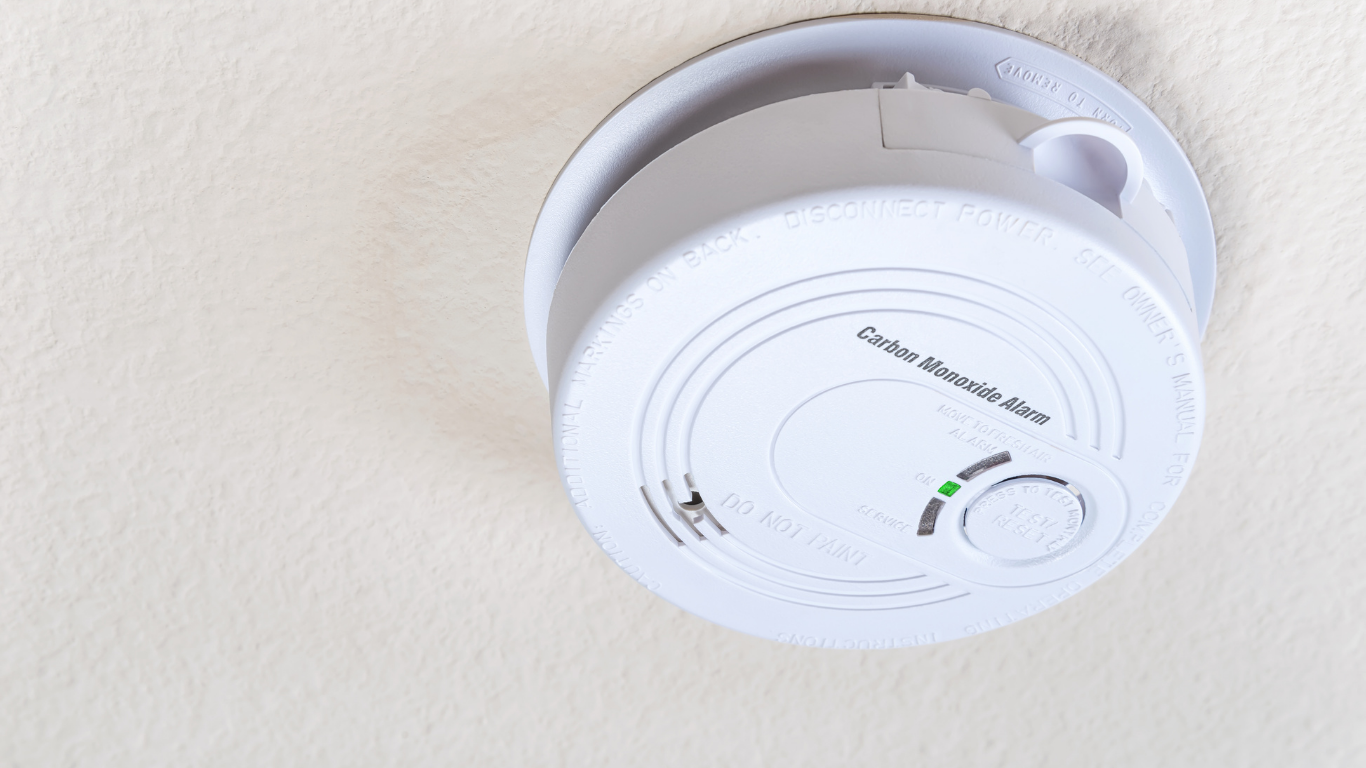
Carbon monoxide is often called the "silent killer" because it is colorless, odorless, and impossible to detect without a properly functioning carbon monoxide alarm. Exposure can lead to serious injuries, long-term health complications, and, in severe cases, death. Unfortunately, many carbon monoxide incidents are entirely preventable. Faulty appliances, inadequate ventilation, neglected maintenance, and missing or defective detectors can place tenants and their families at significant risk.
California landlords generally have a responsibility to maintain safe and habitable rental properties, including complying with laws relating to carbon monoxide alarms in residential units. If you or a loved one has suffered carbon monoxide exposure because of unsafe housing conditions, you may have legal rights.
Carbon monoxide (CO) is a poisonous gas produced when fuels such as natural gas, propane, wood, charcoal, gasoline, or oil do not burn completely. Because carbon monoxide cannot be seen, smelled, or tasted, many are exposed without realizing it until symptoms begin to appear. Even low levels of exposure may cause serious health effects, while prolonged or high levels of exposure can result in permanent injuries or death.
Common Symptoms Of Carbon Monoxide Exposure Include:
Headaches
Dizziness
Fatigue
Nausea or vomiting
Confusion
Weakness
Shortness of breath
Blurred vision
Chest pain
Difficulty concentrating
Loss of consciousness
Signs Of Carbon Monoxide Poisoning
What should I do if I suspect carbon monoxide exposure?
Carbon monoxide poisoning is a medical emergency. Immediately contact emergency services and seek medical attention if you suspect a gas leak or carbon monoxide poisoning.
If you suspect exposure:
Leave the property immediately if it is safe to do so.
Call emergency services if necessary.
Seek medical attention as soon as possible.
Do not return to the property until it has been determined to be safe.
Document the circumstances surrounding the incident.
Save communications with your landlord or property manager.
Keep copies of medical records and expenses.
Consult an attorney to better understand your rights.
Seek legal guidance, especially if the exposure symptoms worsen. Contact us at Tenants Law Firm for a free case consultation.
Protecting your health and safety should always be the first priority.
How can a lawyer help me with carbon monoxide poisoning?
Carbon monoxide cases often involve complex issues relating to building safety, property maintenance, medical evidence, and landlord negligence. An attorney can help investigate the circumstances surrounding the exposure, determine whether your landlord failed to meet their legal obligations, and evaluate whether you may be entitled to compensation.
At Tenants Law Firm, we believe every California tenant deserves a safe place to call home. We are committed to helping renters hold negligent landlords accountable when dangerous property conditions result in preventable injuries and exposure to carbon monoxide.
Our Process For Your Case:
-
Begin with a free consultation from Tenants Law Firm to:
Evaluate the circumstances surrounding your carbon monoxide exposure
Review whether required carbon monoxide alarms were installed and functioning
Explain your rights under California law regarding safe and habitable housing
Determine whether unsafe conditions or negligence may support a legal claim
-
Our legal team can:
Review maintenance and repair records for furnaces, water heaters, and gas appliances
Investigate potential sources such as faulty heating systems, blocked vents, or defective equipment
Examine inspection reports, code violations, and prior complaints
Determine whether the property had proper ventilation and safety safeguards in place
-
Our legal team can:
Determine whether the landlord knew—or should have known—about carbon monoxide risks
Investigate whether complaints about gas odors, alarms, or symptoms were ignored
Identify delays in repairing dangerous appliances or ventilation issues
Evaluate compliance with California carbon monoxide alarm requirements and habitability standards
-
Our team can help:
Obtain inspection reports, maintenance logs, and repair histories
Gather photographs, alarm records, and communications with management
Preserve medical records documenting symptoms and treatment related to exposure
Secure evidence before repairs, replacements, or alterations occur
-
Depending on the circumstances, damages may include:
Emergency medical treatment and ongoing care
Lost wages or reduced ability to work
Temporary relocation or housing expenses
Emotional distress and trauma
Long-term or permanent health complications
Other financial losses related to the exposure
-
Our attorneys can evaluate your claim, explain your legal options, and pursue accountability when landlords fail to address dangerous conditions that lead to carbon monoxide exposure.
When Can A Landlord Be Held Responsible?
California landlords generally have a responsibility to maintain rental properties in a safe and habitable condition. While not every carbon monoxide incident automatically results in liability, a landlord may be held responsible when they knew—or reasonably should have known—about dangerous conditions and failed to take reasonable steps to address them. Whether a landlord may be held liable depends on the specific facts surrounding the incident and the property's condition.
A Landlord May Be Responsible If They:
Fail to install required carbon monoxide alarms
Ignore reports of malfunctioning alarms
Fail to repair defective furnaces or gas appliances
Ignore complaints about gas odors or ventilation issues
Delay repairs involving fuel-burning equipment
Fail to maintain heating systems or appliances
Ignore known safety hazards
Allow dangerous conditions to persist despite notice
Factors That May Help Establish Liability
Maintenance and repair records
Inspection reports
Prior complaints from tenants
Building code violations
Evidence of defective equipment
Whether reasonable inspections were performed
Medical records documenting exposure
Whether required alarms were installed and functioning
California Carbon Monoxide Alarm Requirements
California law generally requires carbon monoxide alarms in dwelling units that contain fuel-burning appliances, fireplaces, or attached garages.
These alarms are intended to provide early warnings and help prevent serious injuries or fatalities.
Landlords generally have responsibilities relating to the installation and maintenance of required carbon monoxide alarms. Failure to comply with applicable safety requirements may place tenants and their families at risk.
Long-Term Effects Of Carbon Monoxide Exposure
Carbon monoxide poisoning can cause serious and lasting health complications, particularly when exposure is prolonged or severe.
Potential long-term effects may include:
Memory problems
Difficulty concentrating
Neurological injuries
Persistent headaches
Cognitive impairment
Mood changes
Heart complications
Permanent disability
Emotional trauma
In severe cases, carbon monoxide exposure may result in catastrophic injuries or wrongful death.
What compensation may be available?
Every case is different. Depending on the circumstances, tenants may be entitled to compensation for losses resulting from carbon monoxide exposure. The value of a claim depends on the specific facts and circumstances involved.
Potential compensation may include:
Medical expenses
Future medical treatment
Lost wages
Reduced earning capacity
Temporary relocation expenses
Emotional distress damages
Permanent disability damages
Pain and suffering
Wrongful death damages in certain cases
Other financial losses related to the exposure
Common Causes Of Carbon Monoxide Exposure
Carbon monoxide exposure often occurs because of defective equipment, inadequate ventilation, or neglected maintenance.
Common Causes Include:
Faulty furnaces or heating systems
Defective water heaters
Gas stoves or ovens
Improperly vented fireplaces
Blocked chimneys or flues
Defective boilers
Malfunctioning gas appliances
Portable generators used indoors
Vehicle exhaust entering living spaces
Missing or defective carbon monoxide detectors
Many of these hazards develop over time and may have been reported to management long before an exposure incident occurs.
How Carbon Monoxide Exposure Can Affect Tenants
A carbon monoxide incident can disrupt nearly every aspect of daily life. For many families, the consequences of carbon monoxide exposure continue long after the initial incident.
Tenants may experience:
Emergency medical treatment
Hospitalization
Ongoing health complications
Temporary displacement
Fear of returning home
Lost income
Emotional distress
Financial hardship
Permanent injuries
Frequently Asked Questions
-
Potentially, especially if your case has proof of negligence or failed repairs from your landlord. If a landlord knew or reasonably should have known about dangerous conditions and failed to take reasonable steps to address them, tenants may have legal rights depending on the circumstances.
-
California law generally requires carbon monoxide alarms in many residential units containing fuel-burning appliances, fireplaces, or attached garages. Nearly every unit in California is required to have a functioning carbon monoxide alarm and landlords are obligated to ensure it works prior to renting to tenants.
-
Common symptoms include headaches, dizziness, nausea, fatigue, confusion, and shortness of breath. Immediately leave the property and seek medical attention if you experience any symptoms.
-
Leave the property if it is safe to do so, seek assistance if necessary, and contact emergency services. Once you are safe, it is reccommended to immediately report the incident to your landlord.
-
Yes. In some cases, exposure may result in lasting neurological, cognitive, or physical injuries. It is crucial to seek immediate medical attention, especially in high risk cases of severe or prolonged exposure.
-
We recommend preserving:
Medical records
Emergency room records
Inspection reports
Photographs
Communications with your landlord
Repair requests
Maintenance records
Receipts for expenses and relocation costs
Witness information
-
California law generally prohibits landlords from retaliating against tenants for reporting unsafe living conditions or requesting repairs. If your landlord threatens to harm or retaliate against you, it is important to document these threats to protect your safety.

EXPERIENCED ATTORNEYS. PROVEN RESULTS.
Why Hire Tenants Law Firm?
Why clients choose our firm:
✓ Dedicated exclusively to California tenant rights
✓ Experience investigating carbon monoxide poisoning and gas leaks
✓ Specialized firm for toxic exposure and unsafe housing
✓ Experienced trial attorneys prepared to litigate when necessary
✓ Free consultations
✓ Nonprofit mission serving renters and families
✓ Compassionate, client-centered legal representation
Tenants Law Firm is a non-profit legal team in Los Angeles that specializes in representing California tenants in these situations. If your landlord has failed to fulfill their obligations or is illegally retaliating against you, Tenants Law Firm can represent you at no cost.