
Rent Escrow Account Program Attorneys
REAP Lawyers For Los Angeles Renters
5000+ Tenants Represented | Millions Recovered For Tenants | 30+ Years Combined Experience | Why Choose Tenants Law Firm? →
Helping Los Angeles Tenants Understand Their Rights Under REAP
Tenants Law Firm is a nonprofit legal firm specializing in Rent Escrow Program Account (REAP) cases representing Los Angeles renters. If your unit is already in REAP, contact a lawyer today for help with your case.
Learn more about habitability if you believe your unit may need to be placed under REAP.
If your landlord refuses to fix serious housing code violations, the City of Los Angeles may place the property into the Rent Escrow Account Program (REAP). This program is designed to encourage landlords to repair unsafe living conditions while providing additional protections for tenants living in substandard housing.
When a unit or building is under REAP, tenants may be entitled to a rent reduction and other compensation based on the severity of the case. It is important to know your rights and seek legal representation to ensure that you receive the compensation you deserve.
Many tenants have questions about how REAP affects their rent, lease, landlord responsibilities, and ability to pursue legal action. Understanding your rights can help you make informed decisions while navigating unsafe housing conditions. The information below may also be useful for tenants experiencing severe habitability issues in their unit.
What Is The Rent Escrow Account Program (REAP)?
The Rent Escrow Account Program (REAP) is a housing enforcement program administered by the Los Angeles Housing Department (LAHD). A property may be placed into REAP if the City determines that serious housing, health, or safety violations have not been corrected despite notice to the property owner. Rather than allowing landlords to continue collecting full rent while dangerous conditions remain unaddressed, eligible properties may be placed into the program until required repairs are completed.
REAP is intended to encourage landlords to bring rental properties into compliance with applicable housing standards while helping protect tenants living in unsafe conditions.
A rental property may be placed into REAP if your landlord is negligent on the following:
Tenants have the right to report violations if landlords fall into neglect. If your home is unsafe and your landlord doesn't make the necessary repairs needed, you may be compensated with a lawsuit against your landlord.
Properties are generally considered for REAP when significant housing code violations remain unresolved after inspections and enforcement efforts. Every property is evaluated individually, and placement into REAP depends on the severity of the violations and the City's enforcement process.
Examples may include:
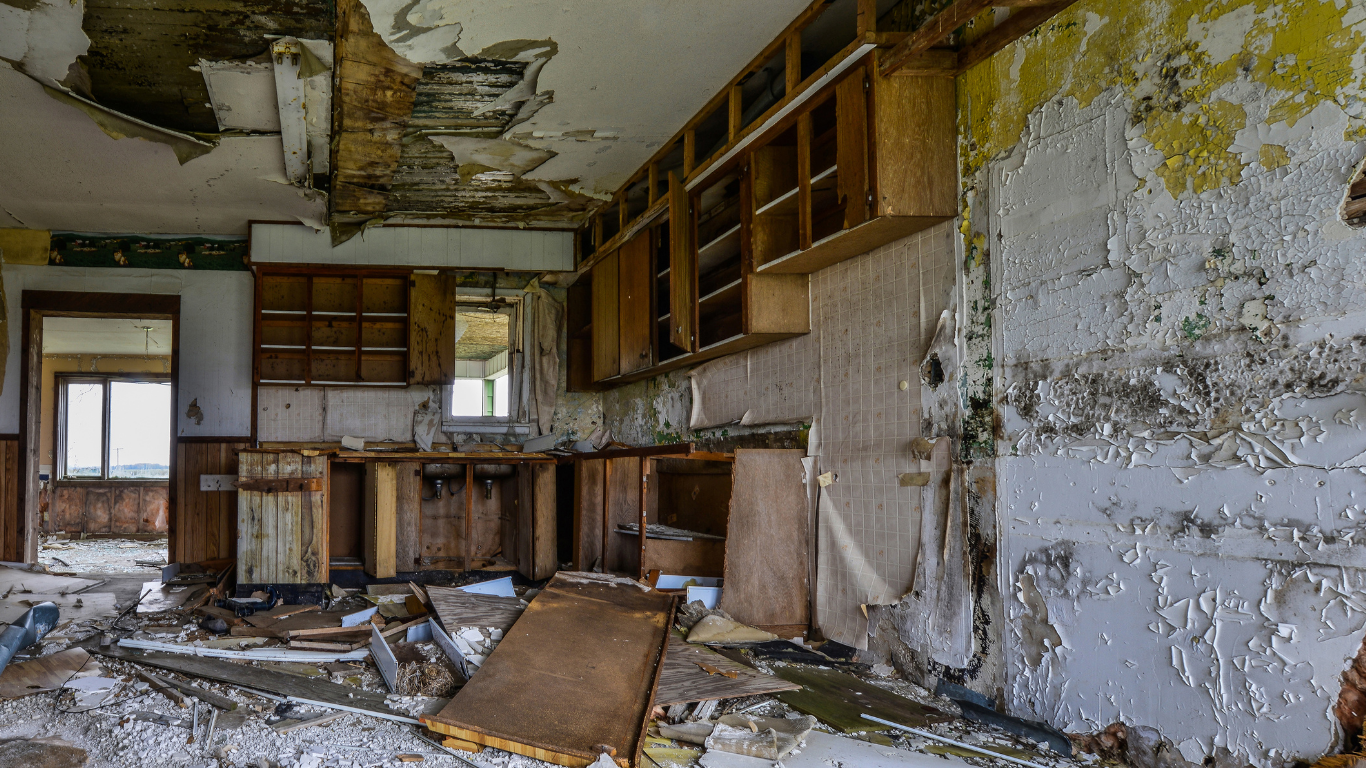
Extensive mold or water intrusion
Bed bug, cockroach, or rodent infestations
Structural defects
Roof leaks
Flooding
Broken plumbing
Electrical hazards
Lack of heat or hot water
Carbon monoxide hazards
Fire safety violations
Unsafe common areas
Other serious habitability issues
How can a lawyer help me with a Rent Escrow Account Program case?
REAP cases often involve housing inspections, municipal enforcement records, landlord communications, and questions regarding habitability, negligence, and California tenant rights. An attorney can help explain how REAP may affect your legal rights, investigate unsafe housing conditions, preserve important evidence, and determine whether you may have a legal claim.
At Tenants Law Firm, we believe every renter deserves a safe place to live. We are committed to helping tenants understand their rights and holding negligent landlords accountable when preventable housing conditions place families at risk.
Our Process For Your Case:
-
Begin with a free consultation from Tenants Law Firm and our team will:
Listen to your experience and understand the timeline of events.
Review the condition of your rental property.
Evaluate potential habitability violations.
Explain your rights under California law and the REAP program.
Discuss the legal options that may be available based on your specific circumstances.
-
Our legal team may review:
LAHD inspection reports
Housing code violations
Maintenance records
Repair histories
Communications with management
Photographs and videos
Prior complaints involving the property
-
Our legal team may evaluate whether the landlord:
We may evaluate whether the landlord:
Ignored known hazards.
Failed to respond to repair requests.
Delayed correcting dangerous conditions.
Violated applicable housing standards.
Failed to maintain a habitable rental property.
-
Our team may help preserve evidence, such as:
Important evidence may include:
REAP notices
Inspection reports
Repair requests
Emails and text messages
Medical records
Photographs and videos
Witness statements
Receipts and expenses
-
Depending on the circumstances, damages may include:
Property damage
Medical expenses
Temporary relocation costs
Lost personal property
Emotional distress
Other financial losses resulting from unsafe housing conditions
-
If our investigation determines that a landlord failed to maintain safe and habitable housing or ignored serious code violations, we can help you understand your legal options and pursue accountability where appropriate.
If necessary, our experienced trial attorneys are prepared to represent you in court to get you the compensation and justice you deserve.
Book a free consultation with us today to begin your case.
When Can A Landlord Be Held Responsible?
California landlords generally have a responsibility to maintain rental housing in a reasonably safe and habitable condition. A landlord may potentially be held responsible when they knew, or reasonably should have known, about dangerous conditions and failed to take reasonable steps to investigate, repair, or correct those hazards. Whether a landlord may ultimately be held liable depends on the specific facts of the case and the application of California law.
-
Ignore repeated repair requests
Delay correcting serious habitability issues
Allow dangerous conditions to persist
Fail to maintain essential services
Ignore housing code violations
Fail to comply with inspection or enforcement notices
Continue renting unsafe units despite known hazards
-
LAHD inspection reports
REAP documentation
Housing code violations
Photographs and videos
Repair requests
Emails and text messages
Prior tenant complaints
Maintenance records
Witness statements
Medical records related to unsafe housing conditions
Many tenants mistakenly believe REAP automatically cancels rent or terminates their lease. This is generally not the case. The specific impact of REAP varies depending on the circumstances of the property and the City's administration of the program.
If a property is placed into REAP:
Your lease generally remains in effect.
You may still be required to pay rent.
Rent may be reduced depending on the property's REAP status.
Certain rent payments may be handled through the City's escrow process.
Your landlord generally remains responsible for correcting outstanding violations.
How does REAP affect tenants?
Does REAP mean my landlord is responsible and can I sue them?
Not automatically. A property's placement into REAP does not by itself establish civil liability or guarantee that a tenant has a legal claim. However, REAP placement may indicate that serious housing code violations existed and that government inspectors identified unsafe conditions requiring correction. Whether a landlord may ultimately be held legally responsible depends on many factors, including the condition of the property, the landlord's knowledge of the hazards, the actions taken after notice, and the specific facts of each case.
After a unit is placed in REAP, landlords must maintain their property, including promptly making all necessary repairs after each tenant leaves to ensure there's no damage or anything that makes the living situation uninhabitable. They must pass a follow-up inspection by the Los Angeles Housing Department, where they must work alongside the city to demonstrate compliance before properties can be removed from the program. If your landlord fails to cooperate, they risk losing rental income and may face legal consequences.
To understand your legal rights and options, we recommend contacting a tenants lawyer. Our team at Tenants Law Firm specializes in representing Los Angeles renters in Rent Escrow Account Program cases. Contact us today for dedicated support for your case.
What should I do if my apartment has serious code or safety violations?
If you believe your rental property has serious habitability problems, consider taking these steps:
Notify your landlord in writing.
Photograph unsafe conditions.
Save repair requests and communications.
Keep copies of inspection reports.
Preserve receipts for expenses.
Document any injuries or health concerns.
Continue following applicable lease and rent obligations unless advised otherwise.
Seek legal guidance, especially if conditions worsen or your landlord retaliates. Contact us at Tenants Law Firm for a free case consultation.
Frequently Asked Questions
-
First, look out for a mailed notice indicating your building's inclusion in REAP and providing instructions for rent payment into the escrow account. You can also reach out to the Los Angeles Housing Department to inquire about your building's status. Visit housing.lacity.org for more information regarding REAP.
-
A strong REAP case typically involves buildings with numerous citations and failed inspections, providing a solid basis for a lawsuit. These cases require substantial evidence of habitability issues, such as structural defects or unsanitary conditions. At Tenants Law Firm, we understand the importance of building a strong REAP case to protect your rights as a tenant. Our skilled attorneys will work with you to gather substantial evidence of habitability issues, ensure timely reporting and documentation, and navigate the complex legal procedures involved in REAP cases. By seeking our expert representation and advocacy, you can increase the likelihood of a favorable outcome and the resolution you deserve.
-
Unfortunately, the timeline for a REAP lawsuit can vary greatly, but generally begins with a free consultation followed by a thorough investigation that can take a couple of months. Afterwards, we attempt to negotiate a settlement or prepare to take the case to trial, which may extend the timeline. However, at Tenants Law Firm, we strive to expedite the process and aim for fair settlements as swiftly as possible. And remember, you pay nothing until we secure a settlement for you. This lets us focus on achieving the best possible outcome while minimizing risk for you.
-
Settlements in REAP cases can vary greatly depending on the specifics of the case, such as the severity of the health impact, the degree of negligence from the responsible party, and long-term implications of the effects. In California, settlements can range from several tens of thousands of dollars for less severe cases to several million dollars in situations with significant long-term health impact. These funds can cover medical expenses, pain and suffering, lost wages, and future care needs. However, it's important to remember that each case is unique and these figures are not guaranteed. At Tenants Law Firm, we will strive to obtain the maximum compensation available to you based on the unique circumstances of your case.

EXPERIENCED ATTORNEYS. PROVEN RESULTS.
Why Hire Tenants Law Firm?
Why clients choose our firm:
✓ Dedicated exclusively to California tenant rights
✓ Experts in Los Angeles renting policies and habitability laws
✓ Specialized firm for Rent Escrow Account Program cases
✓ Experienced trial attorneys prepared to litigate when necessary
✓ Free consultations
✓ Nonprofit mission serving renters and families
✓ Compassionate, client-centered legal representation
Need Help Understanding Your Rights?
Tenants Law Firm is a non-profit legal firm in Los Angeles specializing in representing California tenants in these situations. If your apartment has serious habitability issues or has been placed into the Rent Escrow Account Program, our team may be able to help you better understand your rights and represent you at no cost.