
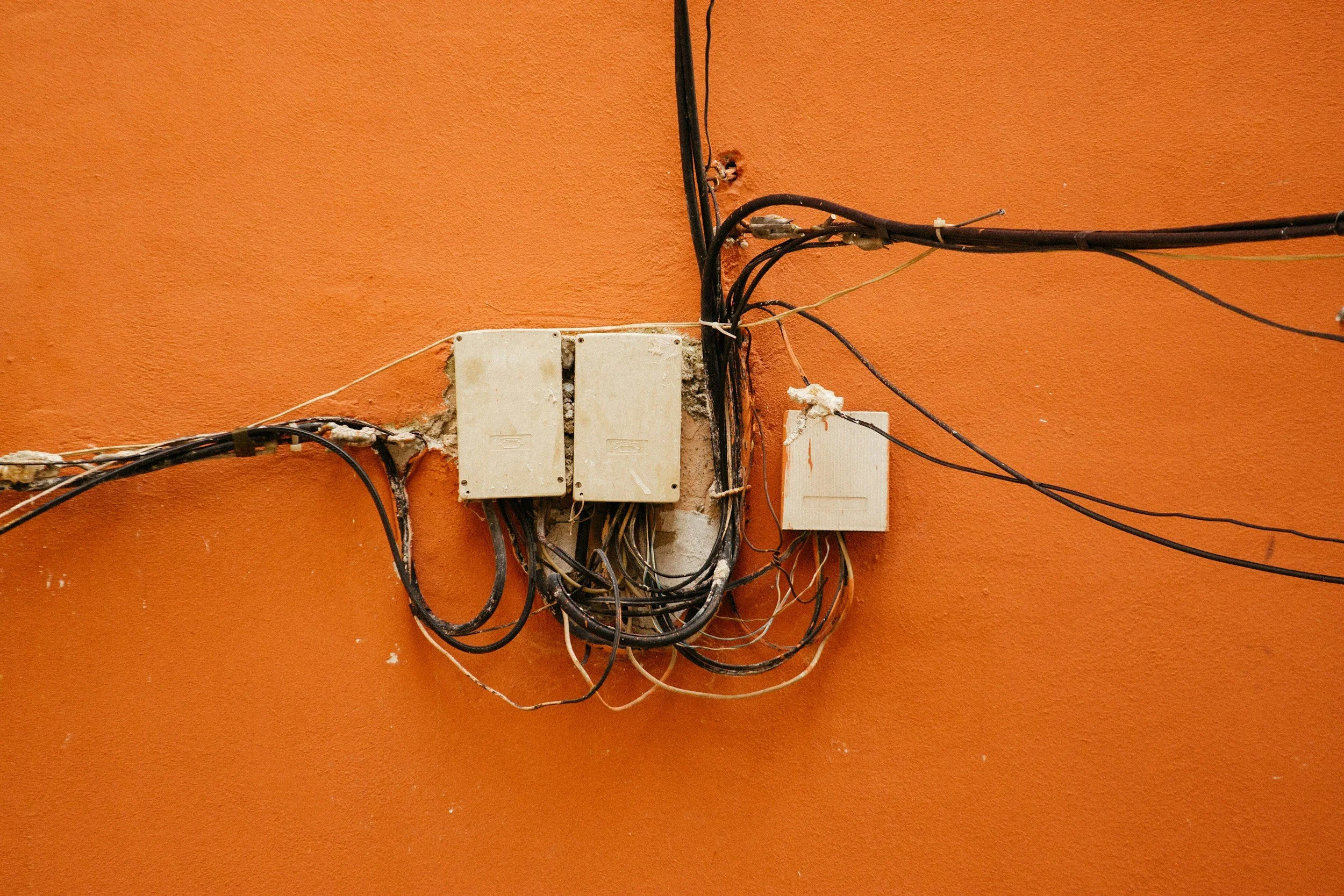
In short: California rental housing must meet basic electrical safety requirements, and warning signs such as hot outlets, repeated breaker trips, sparks, scorch marks, or a burning smell should be reported in writing right away. A landlord is not automatically responsible for every apartment fire; responsibility depends on the cause, earlier complaints, inspections, and the landlord's response. If you see smoke or fire, leave and call 911, and if you were hurt in a fire, keep your records and contact Tenants Law Firm.
A hot outlet, repeated breaker trips, or a burning smell might seem like a small maintenance issue until something goes wrong. Electrical problems deserve attention before they turn into a fire.
California rental housing must meet basic electrical safety requirements. Exposed wiring, damaged outlets, and other hazards may need prompt repair. If a fire occurs, though, the cause matters. A landlord is not automatically responsible for every apartment fire or injury simply because it happened in a rental building.
If you notice sparks, scorching, buzzing outlets, or burning smells, stop using the affected equipment and report the problem. Do not try to repair electrical wiring yourself. In an active fire or smoke emergency, evacuate and call 911. Keep copies of prior maintenance complaints and, when safe, photographs of the condition.
Someone burned or otherwise injured in an apartment fire should get medical attention and preserve records of treatment, lost property, and any investigation. Fire department findings, inspection reports, and earlier complaints may be important in understanding what happened.
What Are the Electrical Warning Signs in an Apartment?
An occasional electrical issue does not always mean a fire is imminent, but repeated tripped breakers, warm outlets, scorch marks, sparks, or a burning odor should not be dismissed. Write down what you noticed and when. If you reported the same problem before, keep those earlier requests together with any repair records.
Electrical problems are not always dramatic. An outlet that repeatedly stops working, a breaker that trips under ordinary use, or a switch that becomes unusually warm can indicate a problem that needs professional attention. A burning smell, visible sparking, smoke, or scorching deserves more urgent action. Do not keep testing a suspicious outlet to see whether it will fail again.
How Should I Report an Electrical Problem to My Landlord?
If an electrical fixture appears unsafe, stop using it and avoid touching exposed wires. Do not attempt a do-it-yourself wiring repair in a rental unit. Management may need to arrange a qualified inspection. If there is active smoke or fire, leave immediately and contact emergency services rather than trying to collect evidence.
Tenants should report these conditions promptly and describe what happened without attempting their own diagnosis. Note the location, date, whether an appliance was connected, and any previous maintenance visit. A photograph of a scorch mark may be useful, but never put yourself at risk to obtain one. Landlords and qualified electricians can investigate whether the issue involves the building's wiring, an appliance, or another source.
What About Smoke Alarms and Escape Planning?
Know the exits from your unit and building, and pay attention to blocked stairways or doors. Check smoke alarms according to manufacturer and local guidance and report missing or nonfunctioning alarms. A functioning alarm does not prevent every fire, but it can provide critical warning. If there is a fire, leave the building, stay out, and call emergency services. Do not use an elevator during a building fire unless emergency personnel direct you to do so.
What Should I Do After an Apartment Fire?
Once everyone is safe, find out how to obtain the fire incident report and any official inspection findings. Photograph damaged belongings only when authorities permit entry. Keep receipts for replacement necessities, medical visits, and temporary lodging. If a person was burned or suffered smoke-related injuries, medical documentation can be important for both treatment and any later legal evaluation.
Once officials say it is safe, keep copies of the incident number, inspection reports, insurance communications, photographs, and repair notices. Make an inventory of damaged property with approximate purchase information when available. If you suffered burns or smoke inhalation, keep treatment records and follow medical instructions. You can also document work missed or temporary housing expenses, but reimbursement is not automatic.
Who Is Legally Responsible for an Apartment Fire?
A fire may begin because of faulty building wiring, an appliance, an accident, or another cause. Responsibility depends on the evidence, applicable duties, and whether conduct contributed to the harm. Prior complaints can be relevant, but they are only one piece of the picture. Avoid assuming that the person who owns the building is automatically responsible for every loss.
Why Do Fire Investigations Matter?
A fire can have several possible causes. Even when wiring is suspected, the actual source may not be clear until an investigation is completed. A landlord's legal responsibility may turn on maintenance duties, earlier complaints, inspections, and causation. Avoid treating rumors about the fire's origin as established fact. An attorney can assess the records and explain which legal questions are relevant to a potential claim.
Frequently Asked Questions
Can a landlord be responsible for a fire caused by faulty wiring?
Possibly. The answer depends on the fire's cause, who was responsible for the condition, what was known or should have been known, and the resulting harm.
What if I warned management about an outlet before the fire?
Save those messages. Prior complaints may be relevant, but they do not establish liability by themselves.
What if I was burned in an apartment fire?
Seek medical care first. Keep medical records, photos, and information about the fire investigation, and consider legal advice about the circumstances.
Should I keep using an outlet that sparks or feels hot?
No. Stop using it, avoid touching exposed wires, and report it to management in writing. Do not keep testing a suspicious outlet or try to repair the wiring yourself.
Worried About Electrical Hazards or a Fire Injury? Contact Tenants Law Firm
If you've reported dangerous wiring or were harmed in an apartment fire, contact Tenants Law Firm at (310) 432-3200 to discuss what happened and whether legal options may be available.
Sources
California Civil Code § 1941.1
California Health and Safety Code § 17920.3
California Attorney General, oag.ca.gov/tenants
Disclaimer: This post is for informational and educational purposes only and does not constitute formal legal advice. An attorney-client relationship is formed only through a written representation agreement.