
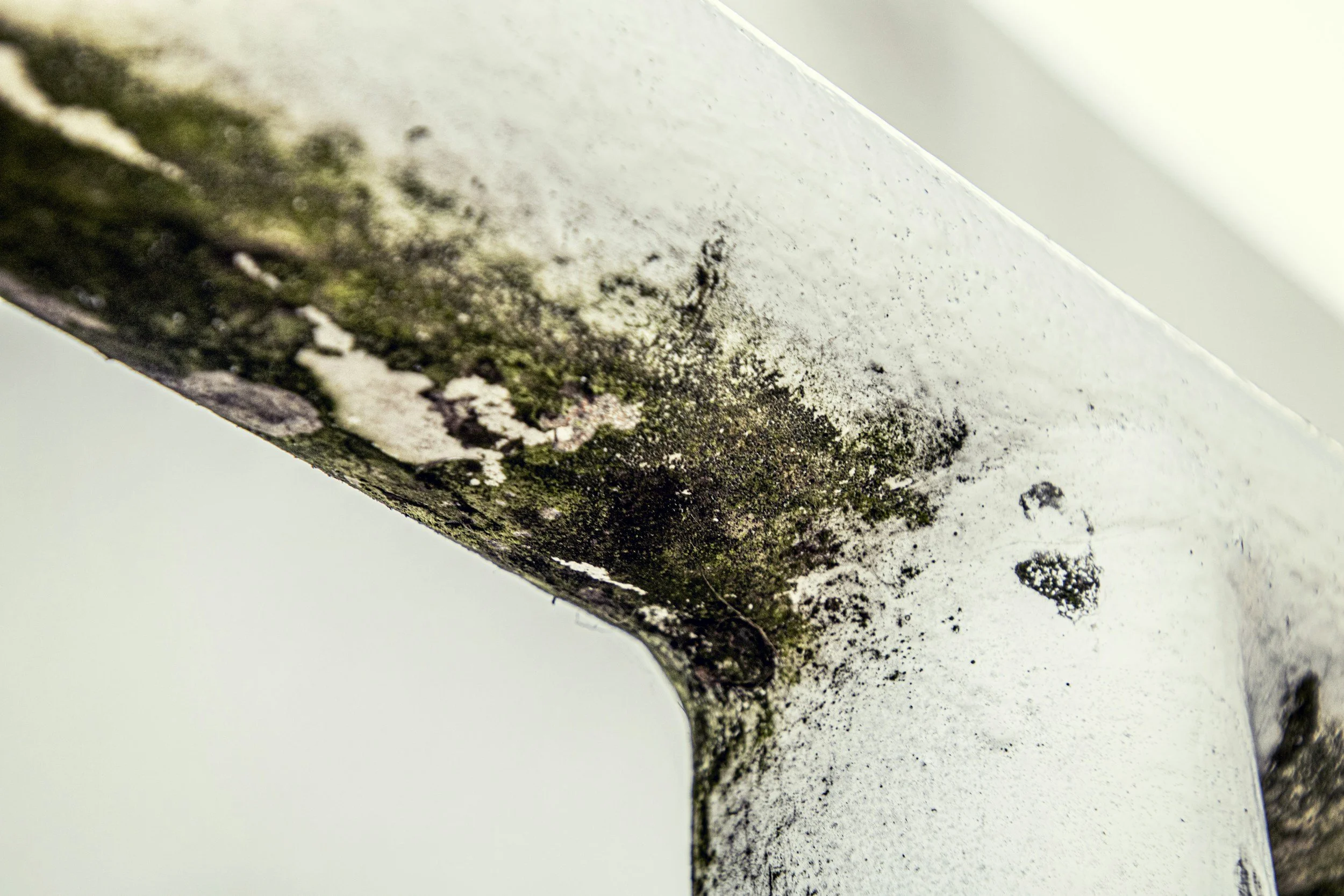
In short: California habitability rules cover plumbing, heating, ventilation, weatherproofing, and other basic safety features, and mold, dampness, lead paint, and carbon monoxide can all make an apartment unsafe. Carbon monoxide is an emergency: leave and call for help right away, while suspected lead exposure in a child calls for a blood lead test from a healthcare professional. Report visible hazards in writing, keep photos and records, and contact Tenants Law Firm if serious problems remain unresolved.
A home can look fine at first glance and still have conditions worth worrying about. Maybe there's a persistent musty smell, poor ventilation, a broken heater, or a carbon monoxide alarm that keeps going off. Those aren't problems you should simply learn to live with.
California habitability rules cover certain conditions involving plumbing, heating, ventilation, weatherproofing, and other basic safety features. Mold and dampness may also be relevant. Still, not every symptom proves a building caused an illness, and different hazards require different kinds of testing.
Which Apartment Conditions Can Affect My Health?
Carbon monoxide is especially dangerous because it has no smell. If an alarm sounds or you suspect exposure, get outside into fresh air and seek emergency help. Do not wait for a landlord's response. Lead exposure is another concern, particularly in older housing with deteriorating lead-based paint. Young children can be exposed through contaminated dust or paint chips, and a blood lead test is needed to assess exposure.
Report visible hazards in writing, take photos, and save inspection or medical records. If you suspect lead exposure, speak with a child's healthcare professional. If you're unsure whether an apartment is a lawful rental unit, the relevant local building or housing department may be able to explain permit and inspection procedures.
How Should I Respond to Different Hazards?
A musty smell or visible moisture may suggest a water problem, but it does not identify the substance involved or prove why someone feels ill. Carbon monoxide and lead are different. Carbon monoxide exposure can become an immediate emergency, while lead exposure may develop without obvious warning signs. Treating every concern as a generic "sick building" problem can delay the right response.
For moisture problems, document leaks, staining, ventilation issues, and how long the condition has lasted. Ask management to address the source of the moisture, not just paint over the visible mark. For suspected lead hazards, avoid disturbing peeling paint or creating dust, particularly around young children. A healthcare professional or public health agency can advise on appropriate testing.
Does the Age of My Building Matter?
Older buildings may have materials or systems that need closer inspection, but an older apartment is not automatically unsafe. The building's history, prior repairs, and actual conditions matter more than age alone. Local inspection and permitting records may also help if you suspect that a unit was converted or rented without required approvals.
If a child has possible lead exposure, record the places where the child spends time, not only the apartment. Healthcare providers and public health professionals can help assess exposure sources. For any suspected medical issue, an article or online checklist cannot replace a medical evaluation.
What Should I Know About Mold, Ventilation, and Indoor Air?
Not every dark spot is mold, and not every headache comes from an apartment. Still, repeated dampness, water intrusion, and poor ventilation are conditions worth investigating. A landlord may need to address a leak or ventilation defect rather than merely covering up the visible stain. Keep track of when the condition appears, whether it returns after repairs, and which rooms are affected.
If you notice a smell near a gas appliance or suspect carbon monoxide, do not attempt to diagnose the problem yourself. Carbon monoxide cannot be detected by smell. Symptoms such as headache, dizziness, weakness, nausea, or confusion can have many causes, but suspected exposure requires urgent action. Leave the area and contact emergency services or the appropriate utility emergency line.
How Can I Protect My Children From Lead Paint?
Lead hazards deserve particular care when children live in older housing. Lead-based paint was commonly used before the federal residential ban in 1978. Deteriorating paint and contaminated dust can create exposure risks, particularly around windows and doors where surfaces rub. Children may have no visible symptoms even when exposure has occurred. A clinician can explain blood lead testing and follow-up. Avoid sanding, scraping, or dry sweeping suspected lead paint because those activities may spread dust.
How Do I Request an Inspection?
Describe observable facts rather than diagnosing a medical condition. For example, report that the bathroom fan does not work, the bedroom wall remains wet, or paint is peeling near a child's window. Include photographs and dates. Ask management for the repair plan and keep a copy of the response. Local code enforcement may be able to inspect housing conditions, but an inspection is not the same as a medical diagnosis.
What If My Unit May Be Illegal?
An unpermitted conversion raises different questions from a defective heater or leak. Check with the relevant local building or housing agency about permit records and safety concerns. Do not assume that an unpermitted unit means a tenant has no rights, or that every converted space is unlawful. Legal consequences depend on the circumstances and local law.
When seeking advice, bring both your housing records and any relevant professional test results. A timeline helps separate what you observed from what a qualified professional has confirmed.
Frequently Asked Questions
What are signs of childhood lead poisoning?
Children may have no obvious symptoms. Possible effects include learning or behavioral problems, stomach pain, and developmental concerns, but testing is needed rather than relying on symptoms alone.
Which buildings are more likely to have lead paint?
Housing built before 1978 is more likely to contain lead-based paint. Age alone does not prove hazardous exposure.
What should I do if my carbon monoxide alarm goes off?
Leave the building, seek emergency assistance, and do not reenter until authorities say it is safe.
Does an unpermitted unit mean I have no tenant rights?
No. Do not assume an unpermitted unit leaves a tenant without rights. The legal consequences depend on the circumstances and local law, so check permit records with the local building or housing agency.
Concerned About Unsafe Conditions? Contact Tenants Law Firm
If you've reported serious health or safety hazards and the problems remain unresolved, contact Tenants Law Firm at (310) 432-3200 to discuss your housing concerns.
Sources
California Civil Code § 1941.1
California Health and Safety Code § 17920.3
Centers for Disease Control and Prevention, cdc.gov/lead-prevention
U.S. Environmental Protection Agency, epa.gov/lead
California Attorney General, oag.ca.gov/tenants
Disclaimer: This post is for informational and educational purposes only and does not constitute formal legal advice. An attorney-client relationship is formed only through a written representation agreement.