
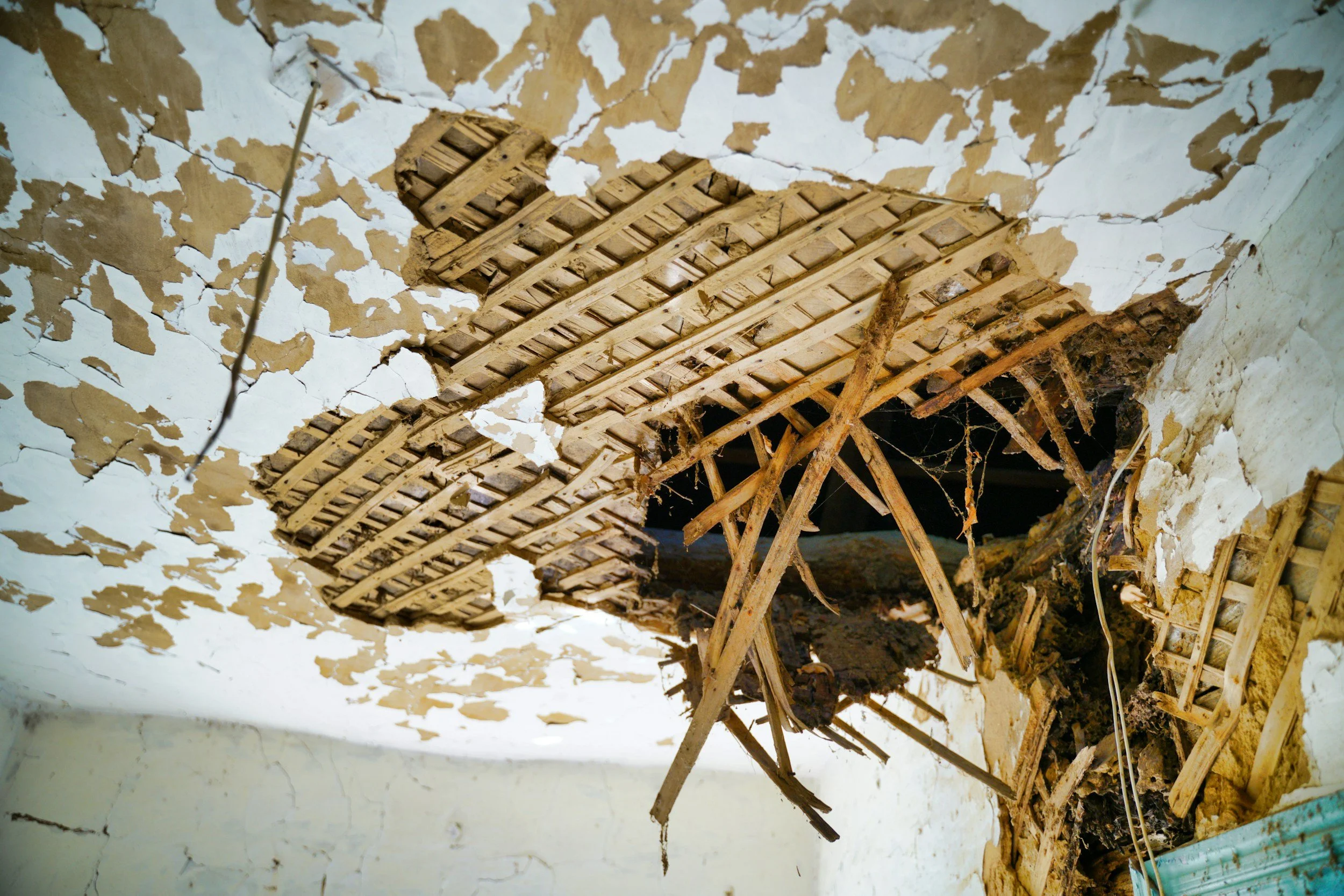
In short: California Civil Code § 1941.1 requires landlords to keep a rental weatherproof and to maintain the roof, walls, and other structural parts in good repair, so a ceiling that collapses after ignored leaks can make the landlord responsible. Depending on the facts, Los Angeles tenants may have rights to repairs, relocation, compensation for injuries and damaged belongings, or lease termination. Get to safety, report the damage in writing, document everything, and talk to a tenant attorney such as Tenants Law Firm before withholding rent.
A ceiling collapse can transform your home into a dangerous and potentially uninhabitable environment. In Los Angeles, seasonal rain and water intrusion can expose existing problems with roofs, ceilings, plumbing, and other parts of a building. When a landlord fails to properly maintain or repair these conditions, tenants may have legal rights and potential remedies.
California law generally requires landlords to maintain rental properties in a habitable condition. Under California Civil Code Section 1941.1, habitability requirements include keeping a rental property weatherproof and maintaining the roof, walls, windows, and other structural components in good repair. These protections are particularly important when water intrusion, leaks, or structural deterioration threaten the safety of a tenant's home.
A ceiling collapse may also cause injuries, damage personal belongings, force a tenant to temporarily relocate, or create other serious habitability problems. If you are dealing with a ceiling collapse or significant ceiling damage in your rental home, it is important to understand your rights and document the condition of the property.
What Causes Ceilings and Roofs to Collapse?
Ceiling and roof collapses can occur for a variety of reasons. Some of the most common causes include:
Excess Water and Rain
Heavy rain can place significant stress on a roof, particularly when water is allowed to accumulate or enter through existing damage. Repeated water intrusion can also weaken drywall, plaster, wood, and other building materials over time. A leak that initially appears minor can therefore develop into a much more serious structural or habitability problem.
Roof or Plumbing Leaks
A leaking roof or pipe can allow water to penetrate the ceiling and surrounding building materials. If the source of the leak is not promptly identified and repaired, continued moisture can cause materials to deteriorate, sag, weaken, or eventually collapse.
High Winds and Severe Weather
Strong winds and severe storms can damage roofing materials, loosen structural components, and create openings through which rain can enter. Even when a storm initially causes the damage, a landlord may still have responsibilities to inspect the property and address resulting dangerous conditions.
Building Defects or Code Violations
Poor construction, inadequate structural support, or violations of applicable building requirements can contribute to roof or ceiling failures. In some cases, the underlying problem may have existed long before a tenant noticed visible damage.
Improper Construction or Modifications
Alterations to a roof or building can affect its structural integrity when they are improperly designed or performed. Unapproved additions, modifications, or other construction work may create additional stress on a roof or ceiling.
Excessive Weight
A roof or ceiling can be placed under additional stress by accumulated materials, equipment, or other excessive weight. When a structure is already weakened by age, water damage, or defects, additional weight may increase the risk of failure.
Improper Installation of Equipment
Equipment installed on or near a roof, including air-conditioning systems and other heavy fixtures, must be appropriately supported. Improper installation can place stress on roofing or structural components and contribute to deterioration or collapse.
Is My Landlord Responsible for Ceiling and Water Damage?
Landlords generally have a duty to maintain rental housing in a habitable condition. This includes addressing conditions that threaten the health or safety of tenants and making necessary repairs within a reasonable period after receiving notice of a problem. A landlord's knowledge of a dangerous condition can be significant when determining whether the landlord failed to take appropriate action.
Under California Civil Code Section 1941.1, habitability requirements include weatherproofing and maintaining the roof, walls, and other structural components of the rental property. Local requirements, including provisions of the Los Angeles Housing Code, may impose additional obligations concerning the maintenance and repair of rental housing.
This means that tenants should not have to live with a dangerous ceiling, recurring leaks, or ongoing water intrusion while waiting indefinitely for repairs.
What Rights Do Tenants Have After a Ceiling Collapse?
A ceiling collapse can raise several different legal issues. Depending on the circumstances, a tenant may have rights relating to:
Habitability: A rental unit must meet California's basic habitability requirements.
Repairs: Landlords may be required to address dangerous conditions within a reasonable time after receiving notice.
Personal injuries: A tenant injured by a ceiling collapse may have a potential claim for damages.
Property damage: Tenants may be able to seek compensation for certain personal property damaged by the collapse or resulting water intrusion.
Relocation: If a rental unit becomes unsafe or uninhabitable, tenants may have rights relating to temporary relocation or other housing-related expenses depending on the circumstances.
Lease termination: In some circumstances, substantial damage may give a tenant grounds to terminate a tenancy when the property cannot reasonably be restored.
Protection from retaliation: Tenants generally have protections against certain forms of landlord retaliation for exercising legally protected rights.
The specific remedies available to a tenant depend on what caused the collapse, the extent of the damage, whether the landlord knew or should have known about the condition, what repairs were made, and whether the tenant suffered injuries or financial losses.
What Compensation Can Tenants Get for a Ceiling Collapse?
When a ceiling collapse results from a landlord's negligence or another legally actionable condition, a tenant may have a claim for damages. Depending on the circumstances, potential damages may include:
Medical expenses: If falling debris, water, or other materials injure a tenant, the tenant may be able to seek compensation for reasonable medical expenses and other injury-related losses.
Damage to personal property: A collapse or water intrusion can destroy furniture, electronics, clothing, documents, and other personal belongings. Photographs, receipts, and other evidence documenting these losses can be helpful.
Lost wages: A serious injury or unsafe housing condition may interfere with a tenant's ability to work. In appropriate cases, lost income may be part of a tenant's claim.
Relocation and temporary housing costs: A ceiling collapse may force a tenant and their family to temporarily leave their home. Depending on the circumstances, certain reasonable relocation, lodging, transportation, or other related expenses may be recoverable.
Other damages: Depending on the circumstances, a tenant may have additional claims arising from personal injuries, property damage, or other losses caused by unsafe housing conditions.
What Are the Warning Signs of a Dangerous Ceiling?
A ceiling does not necessarily collapse without warning. Water stains, bubbling paint, sagging drywall, cracks, recurring leaks, and other changes may indicate an underlying problem.
Tenants should report these conditions promptly rather than waiting for the problem to become more serious. Early reporting can allow a landlord to investigate and address the underlying condition before it causes further damage or injury.
Frequently Asked Questions
What do I do if my ceiling collapsed?
If a ceiling collapses, your first priority should be getting to a safe location. Do not enter or remain underneath an unstable ceiling or attempt to make structural repairs yourself. Once you are safe, consider taking the following steps:
Report the damage. Notify your landlord or property manager as soon as possible. Whenever possible, make the report in writing so there is a record of when you notified the landlord and what you reported.
Document the condition. Take photographs and videos of the collapsed ceiling, water damage, damaged walls, flooring, furniture, and personal belongings. If there are visible leaks, stains, cracks, or other signs of deterioration, document those conditions as well. Do not put yourself at risk to obtain photographs.
Preserve your communications. Keep copies of texts, emails, maintenance requests, letters, and other communications with your landlord or property manager. If you previously reported a leak or other problem before the collapse, preserve those communications as well.
Keep records of your expenses. If the condition forces you to temporarily relocate or causes other expenses, keep receipts and records of what you spend. Depending on the circumstances, some of these costs may be recoverable.
What evidence will support my ceiling collapse claim?
If you experience a ceiling collapse, preserving evidence can be extremely important. Consider keeping:
Photographs and videos of the damage
Copies of maintenance requests
Text messages and emails with the landlord
Previous complaints about leaks or ceiling problems
Repair records
Inspection reports
Medical records and bills
Receipts for damaged belongings
Receipts for temporary housing or other expenses
Pay stubs or other records documenting lost income
Statements from witnesses
If there were signs of a problem before the collapse, such as a recurring leak, water stains, cracks, or a sagging ceiling, document those conditions as well.
Can a tenant withhold rent if repairs are not made?
Possibly, but tenants should be careful before withholding rent. California law provides certain remedies when a landlord fails to make required repairs after receiving notice of a serious habitability problem. Under California Civil Code Section 1942.4, there are circumstances in which a landlord may be prohibited from demanding or collecting rent when specified dangerous conditions materially affect a tenant's health or safety and the statutory requirements have been met.
However, a tenant should not assume that any repair problem automatically gives them the right to stop paying rent. Rent withholding can carry significant consequences if the legal requirements have not been satisfied. Before withholding rent, tenants should consider speaking with an attorney or qualified tenant advocate about their particular circumstances.
Can a tenant use the "repair and deduct" remedy?
In some circumstances, California law allows tenants to make certain necessary repairs and deduct the cost from rent. California Civil Code Section 1942 provides a potential "repair and deduct" remedy when a landlord fails to address certain conditions affecting the tenant's health or safety after receiving appropriate notice and being given a reasonable opportunity to make the repairs.
This remedy has limitations, including requirements concerning the nature of the repair and the amount that can be deducted. Tenants should understand these requirements before paying for substantial repairs themselves or deducting expenses from rent.
Is a tenant still required to pay rent after a natural disaster?
Whether a tenant must continue paying the full amount of rent depends on the condition of the rental unit and the circumstances surrounding the damage. If the property remains habitable and usable, the tenant's obligation to pay rent generally does not simply disappear because a natural disaster occurred.
If a property has become substantially uninhabitable, however, different legal issues may arise. Depending on the circumstances, a tenant may have rights relating to rent, relocation, repairs, or termination of the tenancy. Because these situations can be fact-specific, tenants should obtain legal advice before simply stopping rent payments.
Can a tenant terminate a lease after a ceiling collapse or natural disaster?
Potentially. If a rental property has been substantially damaged and cannot be reasonably restored, California law may provide circumstances in which a tenant can terminate the tenancy. Whether a tenant has the right to terminate a lease depends on factors including the severity of the damage, the condition of the property, the cause of the damage, and whether the property can be repaired within a reasonable period.
Tenants should be careful about moving out or terminating a lease without understanding their legal rights and obligations.
Contact Tenants Law Firm About a Ceiling Collapse
If you or a member of your household has been injured or suffered losses because of a ceiling or roof collapse, you may have legal options.
Tenants Law Firm represents tenants in Los Angeles and throughout California in matters involving unsafe housing conditions, habitability problems, ceiling and roof collapses, and related tenant injuries and losses.
Contact Tenants Law Firm at (310) 432-3200 for a consultation. Qualifying cases are handled on a contingency-fee basis, meaning you do not pay attorney's fees unless we recover compensation for you, subject to the terms of your representation agreement.
Sources
California Civil Code §§ 1941.1, 1942, and 1942.4
Los Angeles Housing Code (Los Angeles Municipal Code)
Disclaimer: This post is for informational and educational purposes only and does not constitute formal legal advice. An attorney-client relationship is formed only through a written representation agreement.