
In short: Federal rules (42 C.F.R. §§ 483.10 and 483.90) and California law (Health & Safety Code § 1599.1 and Title 22) require nursing homes to keep residents' rooms clean, sanitary, pest-free, and in good repair. A bed bug infestation, mold, or broken plumbing can be evidence of neglect when the facility knew about the problem and failed to act, and residents can bring civil claims under Health & Safety Code § 1430(b) and California's Elder Abuse Act. Families should document the conditions, complain in writing, report to the California Department of Public Health, and speak with an attorney such as Tenants Law Firm promptly because filing deadlines apply.
When families place a loved one in a nursing home, they expect the facility to provide a clean, safe, and comfortable living environment. Unfortunately, some residents experience unsanitary conditions that can threaten their health, safety, and overall well-being.
Bed bug infestations, rodent problems, mold, poor sanitation, and unresolved maintenance issues are more than inconveniences. When nursing home facilities fail to address these conditions, residents may be exposed to unnecessary health risks and unsafe living environments.
Nursing home neglect is not limited to inadequate medical attention or mistreatment by caregivers. It can also involve a facility's failure to maintain its property, address environmental hazards, and provide residents with sanitary living conditions.
How Do Bed Bugs Affect Nursing Home Residents?
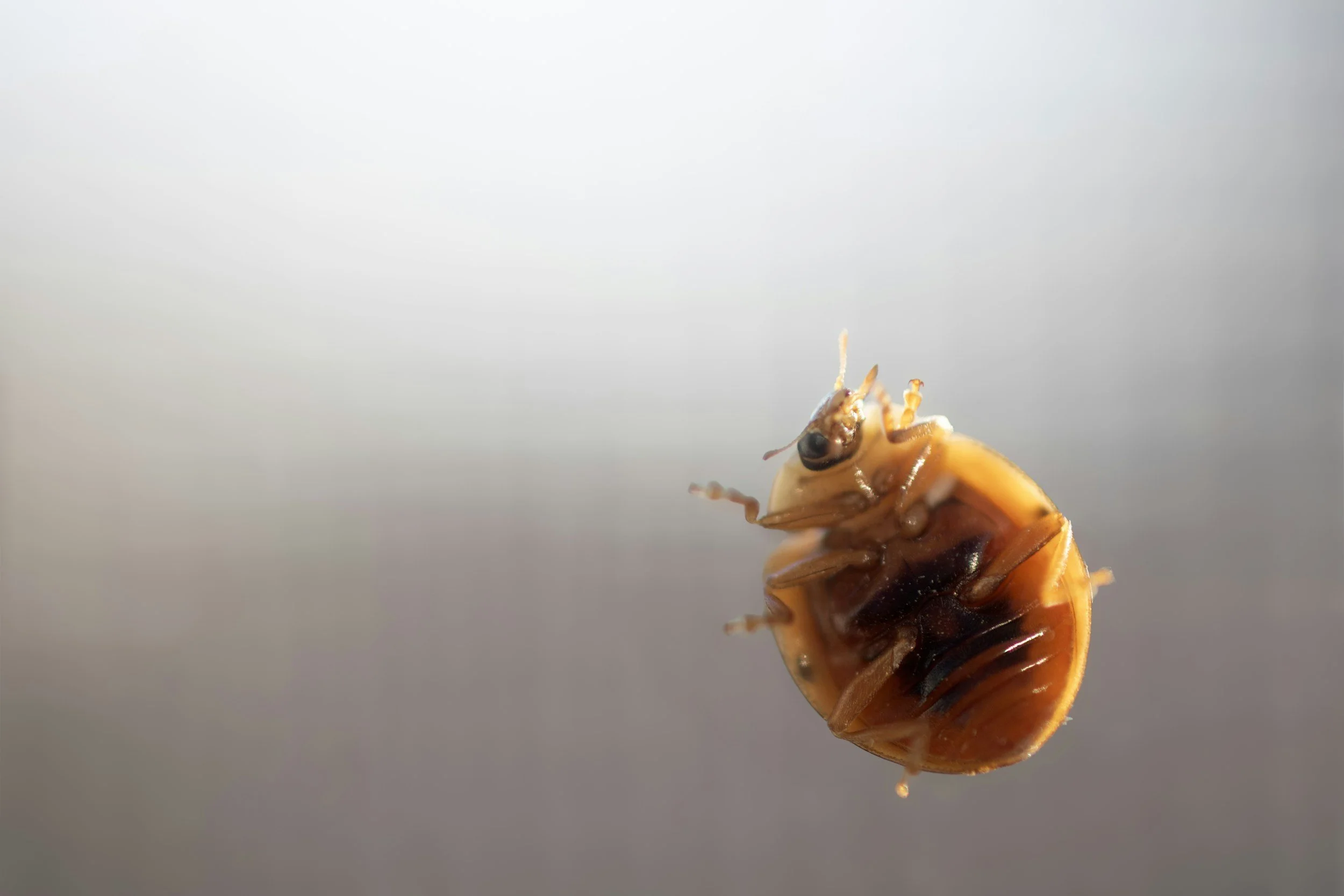
Bed bugs are small insects that survive by feeding on human blood. They commonly hide in mattresses, bedding, furniture, carpets, and cracks in walls or flooring. Because nursing home residents spend significant amounts of time in their rooms and beds, an infestation can be particularly disruptive.
Bed bug infestations can cause several problems for elderly residents, including:
Skin irritation and bites: Bed bug bites can cause itching, redness, swelling, and skin irritation. Repeated scratching can damage the skin and potentially lead to secondary infections.
Sleep disturbances: Persistent itching and discomfort can interfere with a resident's ability to sleep, affecting their rest and quality of life.
Skin infections: Residents who scratch bites may develop open wounds that can become infected, particularly when they have fragile skin or underlying health conditions.
Emotional distress: Living with an infestation can cause anxiety, embarrassment, and discomfort, especially when residents feel that their concerns are being ignored.
Spread throughout the facility: Bed bugs can travel through clothing, bedding, furniture, and personal belongings, potentially spreading to other resident rooms and common areas.
When Is a Bed Bug Infestation Nursing Home Neglect?
The presence of a bed bug does not automatically establish nursing home negligence. However, a facility may be responsible when it fails to take reasonable steps to identify, contain, and eliminate an infestation.
Nursing homes are expected to maintain effective pest control measures and respond appropriately when infestations are discovered. This includes investigating reports of bed bugs, arranging appropriate pest control services, treating affected areas, and taking precautions to prevent the infestation from spreading.
Repeated complaints, visible signs of infestation, untreated bites, and continued exposure to bed bugs may indicate that a facility has failed to maintain acceptable living conditions.
What Other Conditions Can Signal Nursing Home Neglect?
Bed bugs are only one example of how poor facility maintenance can put residents at risk. Nursing home neglect may also involve other environmental and sanitation problems that affect residents' health and safety.
Rodent and Insect Infestations
Cockroaches, mice, rats, flies, and other pests can create unsanitary conditions throughout a nursing home. These pests may contaminate food, spread bacteria, damage personal belongings, and expose residents to potential health hazards.
Facilities should maintain effective pest control programs and promptly address signs of infestation. Ignoring recurring pest problems or failing to arrange appropriate treatment may expose residents to preventable risks.
Mold and Water Damage
Leaks, excessive moisture, and inadequate ventilation can contribute to mold growth inside nursing homes. Mold may develop in bathrooms, ceilings, walls, carpets, and other areas affected by water damage.
Prolonged exposure to mold can aggravate respiratory conditions, trigger allergic reactions, and contribute to other health concerns. Water damage can also weaken building materials and create additional hazards, including damaged ceilings and unsafe flooring.
Facilities should investigate leaks, address the source of moisture, and arrange appropriate repairs and remediation rather than allowing affected areas to remain untreated.
Unsanitary Rooms and Bathrooms
Residents have a right to live in clean and sanitary conditions. Dirty bathrooms, soiled bedding, overflowing trash, contaminated surfaces, and unpleasant odors may indicate inadequate housekeeping and maintenance.
These conditions can increase the risk of infections and create an uncomfortable living environment. Residents who require assistance with mobility or personal hygiene may be particularly vulnerable when facilities fail to maintain clean rooms and bathrooms.
Plumbing and Water Problems
Broken plumbing, leaking pipes, clogged drains, and inadequate access to running water can interfere with residents' daily needs.
Without properly functioning plumbing, residents may have difficulty maintaining personal hygiene, using bathroom facilities, or accessing clean water. Persistent leaks can also contribute to mold growth, water damage, and unsafe flooring.
Nursing homes must address plumbing problems promptly and ensure that residents have access to essential water services.
Unsafe Flooring and Poor Building Maintenance
Cracked flooring, loose carpets, damaged stairways, broken handrails, and poorly maintained walkways can create serious safety hazards.
For elderly residents, even a minor obstruction or uneven surface can increase the risk of a fall. Residents who use walkers, wheelchairs, or other mobility devices may face additional difficulties navigating poorly maintained areas.
Facilities should regularly inspect their premises, repair damaged surfaces, and address hazards that could cause preventable injuries.
Inadequate Heating, Cooling, and Ventilation
Nursing homes must maintain comfortable and safe indoor temperatures. Broken heating systems, inadequate air conditioning, and poor ventilation can make living conditions uncomfortable and potentially dangerous.
Older adults may have greater difficulty regulating their body temperature, making them more vulnerable to heat-related illness and cold exposure. Poor ventilation can also contribute to lingering odors, excessive moisture, and indoor air quality problems.
Facilities should maintain functioning heating, cooling, and ventilation systems and address temperature concerns before they affect residents' health.
What Do California and Federal Law Require of Nursing Homes?
Nursing homes have legal obligations to maintain safe and sanitary environments for their residents.
Federal Requirements
Under federal regulations, 42 C.F.R. § 483.10(i) establishes residents' rights to a safe, clean, comfortable, and homelike environment. Facilities must provide housekeeping and maintenance services necessary to maintain a sanitary, orderly, and comfortable interior, keep bed and bath linens clean and in good condition, and maintain comfortable and safe temperature levels. For facilities initially certified after October 1, 1990, that means a temperature range of 71 to 81°F.
Additionally, 42 C.F.R. § 483.90(i)(4) requires nursing facilities to maintain an effective pest control program so that the facility is free of pests and rodents. While the regulation does not list bed bugs by name, it is generally understood to cover common household pests, including bed bugs.
California Requirements
California also protects nursing home residents through state licensing requirements and patient rights laws. California Health and Safety Code § 1599.1 requires skilled nursing and intermediate care facilities to be clean, sanitary, and in good repair at all times.
California's licensing regulations are more specific. Under Title 22 of the California Code of Regulations, a skilled nursing facility and its grounds must be maintained in a clean and sanitary condition and in good repair at all times to ensure the safety and well-being of patients, staff, and visitors (22 C.C.R. § 72637). Facilities must also employ housekeeping personnel to keep the interior safe, clean, orderly, and free from offensive odors, and routinely clean furniture, floors, walls, ceilings, and fixtures (22 C.C.R. § 72621).
These obligations mean that nursing homes cannot simply disregard complaints about infestations, unsanitary rooms, water damage, or other environmental hazards. Facilities must take appropriate measures to maintain their premises and protect residents from preventable harm.
How Does California Law Hold Nursing Homes Accountable?
Several legal avenues may be available when a facility's failure to maintain safe and sanitary conditions causes harm.
Regulatory enforcement: The California Department of Public Health (CDPH) licenses and inspects skilled nursing facilities and investigates complaints. Facilities that fail to meet state and federal standards may be cited and face penalties.
Resident rights claims: California Health and Safety Code § 1430(b) allows a resident to bring a civil action against a facility for violating the rights guaranteed by state law, including the right to a clean, sanitary facility that is in good repair.
Elder abuse and neglect claims: California's Elder Abuse and Dependent Adult Civil Protection Act (Welfare and Institutions Code § 15600 and following) addresses the neglect of elders and dependent adults. In serious cases, it may provide remedies beyond those available in an ordinary negligence claim.
Negligence claims: A facility that fails to use reasonable care to protect residents from known hazards, such as an untreated infestation, may be liable for the resulting injuries.
Which claims are available depends on the facts of each case, including what the facility knew, how it responded, and what harm the resident suffered.
When Can Poor Living Conditions Lead to a Nursing Home Neglect Claim?
Not every maintenance issue or isolated pest sighting establishes negligence. However, when a nursing home fails to address known or recurring problems, and a resident suffers harm as a result, the facility's conduct may give rise to a legal claim.
Several circumstances may warrant further investigation:
Repeated complaints: Residents or family members have reported bed bugs, mold, plumbing problems, or unsanitary conditions, but the facility has failed to take meaningful action.
Delayed repairs: Management has been notified of maintenance problems but allows dangerous conditions to continue.
Inadequate pest control: The facility fails to arrange appropriate inspections, treatment, or preventative measures after discovering an infestation.
Failure to protect residents: Residents continue to be exposed to known environmental hazards without reasonable efforts to reduce their exposure.
Resident injuries or illness: Unsafe living conditions contribute to infections, skin injuries, respiratory problems, falls, or other physical harm.
The facility's knowledge of the problem, its response, the applicable regulations, and the harm suffered by the resident are all important considerations when evaluating a potential neglect claim.
Time Limits Apply
Legal claims against nursing homes are subject to filing deadlines, known as statutes of limitations. The deadline depends on the type of claim, and missing it can bar a claim entirely. Families who suspect that unsafe conditions have harmed a loved one should speak with an attorney promptly rather than waiting to see whether the problem resolves.
What Should Families Do If They Discover Unsafe Nursing Home Conditions?
Family members who notice unsanitary or unsafe conditions should take steps to document their concerns and bring them to the facility's attention.
Document the conditions. Take photographs or videos of bed bugs, damaged furniture, mold, water leaks, dirty bathrooms, or other visible hazards. Record when and where the conditions were observed.
Notify facility management. Report the problem to the nursing home administrator or appropriate staff members. Whenever possible, submit complaints in writing and keep copies of all communications.
Monitor the resident's health. Seek medical attention if the resident develops unexplained bites, skin irritation, infections, respiratory symptoms, or injuries that may be related to the living conditions.
Keep relevant records. Save medical records, inspection reports, written complaints, photographs, and any responses from facility management. These materials may help establish how long the problem existed and whether the facility took appropriate action.
Consider filing a formal complaint. In California, concerns about unsafe nursing home conditions can be reported to the California Department of Public Health (CDPH). Families may also contact their local Long-Term Care Ombudsman for assistance.
Speak with an attorney promptly. Because legal claims are subject to filing deadlines, it is wise to discuss your concerns with an attorney sooner rather than later.
Taking these steps can help protect residents and preserve important information if legal action becomes necessary.
Frequently Asked Questions
Can a nursing home be held responsible for bed bug infestations?
Potentially. Nursing homes subject to federal nursing facility regulations must maintain effective pest control programs, and California law requires skilled nursing facilities to be clean, sanitary, and in good repair. A facility that fails to identify, address, or contain a known infestation may face regulatory consequences and, depending on the circumstances and resulting harm, potential civil liability.
Are bed bugs considered a form of nursing home neglect?
A bed bug infestation may be evidence of neglect when a facility fails to take reasonable measures to address the problem. Relevant factors include how long the infestation existed, whether management knew about it, what steps were taken to eliminate it, and whether residents suffered harm.
What other living conditions may indicate nursing home neglect?
Other warning signs include mold growth, rodent infestations, dirty bathrooms, contaminated food preparation areas, plumbing problems, water damage, broken flooring, and inadequate heating or ventilation. These conditions may indicate neglect when a facility fails to properly maintain its premises or address known hazards.
Who can report unsafe nursing home conditions in California?
Residents, family members, and other concerned individuals can report unsafe conditions to the California Department of Public Health. They may also contact the Long-Term Care Ombudsman Program, which assists residents with concerns involving health, safety, and residents' rights.
Can families file a lawsuit against a nursing home for unsafe living conditions?
Potentially. If a nursing home's failure to maintain safe and sanitary conditions results in injury or other compensable harm, the facility may be held legally responsible. Whether a claim is viable depends on the specific circumstances, applicable legal requirements, and available evidence.
How long do families have to take legal action?
Filing deadlines vary depending on the type of claim and the circumstances, and a missed deadline can bar a claim entirely. If you suspect that unsafe conditions have harmed a loved one, speak with an attorney as soon as possible.
Contact Tenants Law Firm About Nursing Home Neglect
When a facility allows bed bug infestations, mold, pest problems, or other hazardous living conditions to persist, residents may suffer physical injuries and unnecessary distress. Nursing homes have a responsibility to maintain their premises and address conditions that threaten residents' health and safety.
If you believe a loved one has suffered harm because of unsafe nursing home conditions or facility neglect, Tenants Law Firm can help you understand your legal options. Call (310) 432-3200 or contact our office to discuss your concerns and determine whether you may have a potential claim.
Sources
42 C.F.R. §§ 483.10(i) and 483.90(i)(4)
California Health and Safety Code §§ 1430(b) and 1599.1
California Code of Regulations, Title 22, §§ 72621 and 72637
California Welfare and Institutions Code § 15600 et seq. (Elder Abuse and Dependent Adult Civil Protection Act)
California Department of Public Health, cdph.ca.gov
Disclaimer: This post is for informational and educational purposes only and does not constitute formal legal advice. An attorney-client relationship is formed only through a written representation agreement.