
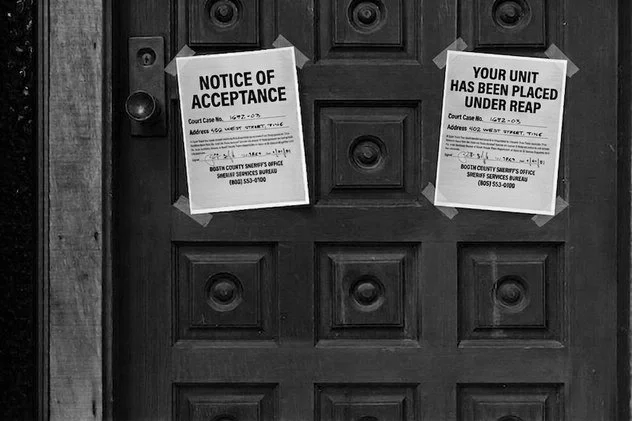
In short: When a landlord ignores repair requests, a clear written record of the condition, your notices, and the landlord's response is the foundation for every next step. In the City of Los Angeles, buildings with serious unresolved code violations may be placed in LAHD's Rent Escrow Account Program (REAP), but REAP is a specific city process and not a general permission to stop paying rent. Before withholding rent, using repair and deduct, or joining a building-wide case, talk to a tenant attorney such as Tenants Law Firm.
You've reported the leak, broken plumbing, or unsafe condition more than once, and nothing seems to change. It's frustrating, but a clear record of what happened can make a difference when you decide what to do next.
Start with written complaints. Describe the condition, when you noticed it, and what repairs you requested. Save photos, messages, inspection notices, and receipts. California law provides certain remedies for qualifying habitability problems, but they have requirements and limits. Withholding rent or paying for repairs yourself without understanding those rules can create additional risks.
In the City of Los Angeles, some buildings with serious unresolved code violations may be placed in the Rent Escrow Account Program, known as REAP. A General Manager's hearing can be part of the city's enforcement process. These are specific city procedures, not programs that automatically apply throughout Los Angeles County. If your building is involved, read the notices carefully and confirm instructions with LAHD.
Sometimes several tenants have experienced the same problem. Depending on the facts, building-wide lawsuits or class actions may be considered, but not every shared complaint qualifies as a class action. A lawyer would need to assess the claims and the applicable procedural requirements.
How Do I Build a Record of Ignored Repair Requests?
Keep one folder for photographs, maintenance requests, emails, inspection notices, and receipts. A short timeline can help explain whether a condition was reported once or repeatedly, how management responded, and whether repairs worked. If you speak by phone, consider following up with a written summary so there is a record of the conversation.
What Makes a Repair Complaint More Useful?
A message saying "please fix this" is a start, but a specific report is easier to follow. Identify the location of the defect, the date it began, how it affects the apartment, and whether anyone has already inspected it. Ask for a written response and a repair timeline. If management communicates only by phone, follow up with a brief email summarizing what was discussed.
What Is REAP in Los Angeles?
A tenant can ask the appropriate local agency about an inspection of possible housing-code violations. In the City of Los Angeles, LAHD administers particular enforcement procedures, including REAP for certain properties with unresolved violations. A General Manager's hearing may be part of the city's process. These terms should not be assumed to apply to a property in another city or in unincorporated Los Angeles County.
Los Angeles City housing enforcement programs do not automatically apply to every property with a Los Angeles mailing address. A building in an unincorporated county area or another city may be governed by a different agency. If you receive a REAP notice or information about a General Manager's hearing, check the issuing agency, the property address, and the instructions rather than relying on advice meant for another building.
Does REAP Mean I Can Stop Paying Rent?
No. REAP is not a blanket rule that tenants can stop paying rent. Program-specific payment procedures and notices matter. If you receive an official notice, read it closely. Check the issuing agency, the building address, the hearing or compliance dates, and any instructions concerning rent. Confirm program-specific requirements directly with the agency or a qualified legal adviser.
Similarly, a code violation can be important evidence, but it does not by itself answer whether an individual tenant has a damages claim. Before using a remedy such as repair and deduct or withholding rent, seek advice about the legal requirements. A misstep can create a rent dispute even when the original repair complaint was legitimate.
What Can I Sue My Landlord For?
A legal claim may concern habitability, negligence causing injury, retaliation, or other unlawful conduct. A lawsuit is not guaranteed simply because repairs were delayed. Evidence of the condition, responsibility, notice, causation, and harm may be important. Different claims may have different deadlines and remedies.
A landlord sometimes gets described as a "slumlord," but that label is not a legal finding. A stronger complaint focuses on documented conditions and conduct rather than insults. For example, a timeline of repeated sewage backups and unanswered repair requests is more useful than a general accusation that management does not care.
What If Several Neighbors Have the Same Complaint?
Neighbors may have similar leaks, pests, or unsafe conditions. Collecting consistent timelines can help show a recurring building issue. A shared problem may support coordinated requests, agency complaints, or a lawyer's evaluation of building-wide litigation.
However, a building-wide problem does not automatically qualify for a class action. Class certification involves legal requirements that must be assessed separately, including whether claims share legally significant questions and whether a group case is appropriate. Before withholding rent, arranging repairs and deducting costs, or signing a settlement, get advice about the rules that apply to your situation.
Frequently Asked Questions
What can I sue my landlord for?
Potential claims can involve unsafe conditions, injuries, retaliation, or other unlawful conduct. Whether a claim exists depends on the facts, applicable law, and evidence.
What does a General Manager's hearing mean?
It is part of certain LAHD administrative enforcement procedures. The notice should identify the issues and explain the next steps.
Does REAP apply everywhere in Los Angeles County?
No. REAP is a City of Los Angeles program run by LAHD. It does not automatically apply to buildings in other cities or in unincorporated Los Angeles County, even with a Los Angeles mailing address.
Can neighbors with the same problem file a class action?
Not automatically. A shared problem can support coordinated complaints or building-wide litigation, but class actions have specific legal requirements an attorney must assess.
Not Getting Repairs or Answers? Contact Tenants Law Firm
If management keeps ignoring serious complaints or your building has received enforcement notices, contact Tenants Law Firm at (310) 432-3200 to discuss your options.
Sources
California Civil Code §§ 1941.1, 1942, and 1942.5
Los Angeles Housing Department, housing.lacity.gov
California Attorney General, oag.ca.gov/tenants
Disclaimer: This post is for informational and educational purposes only and does not constitute formal legal advice. An attorney-client relationship is formed only through a written representation agreement.