
Lead Poisoning & Exposure Attorneys
Tenant Lawyers Protecting California Families
5000+ Tenants Represented | Millions Recovered For Tenants | 30+ Years Combined Experience | Why Choose Tenants Law Firm? →
Suffering From Lead Poisoning or Exposure?
At Tenants Law Firm, we strive to protect California renters and families from lead poisoning and exposure.
Exposure to lead can cause serious and long-lasting health consequences, particularly for children. Many tenants are unaware that older rental properties may contain dangerous lead-based paint, contaminated dust, or deteriorating building materials that place their families at risk.
If your landlord knew or should have known about lead hazards and failed to address them, you may have legal options.
What is Lead Poisoning?
Lead is a toxic metal that was commonly used in residential paint and building materials before it was banned for residential use in 1978.
Although many properties have since been renovated, thousands of older apartment buildings throughout California still contain lead-based paint beneath newer layers of paint or within deteriorating building materials.
Unlike mold or pest infestations, lead hazards are often invisible. Many families do not realize they have been exposed until a child receives elevated blood lead test results. For more information on common symptoms, click here.
Lead exposure often occurs when:
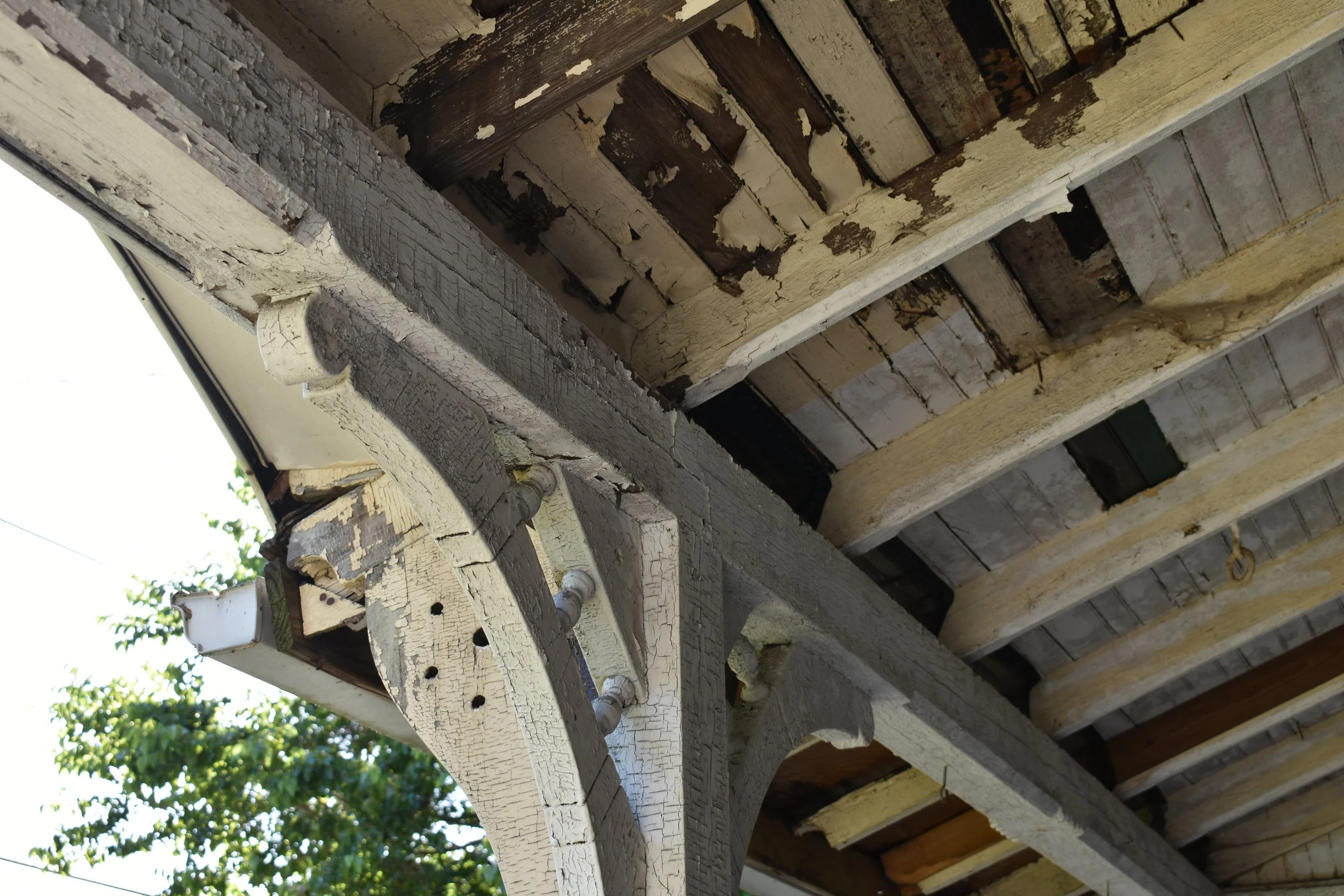
Lead-based paint begins to chip or peel.
Windows and doors create lead-contaminated dust.
Renovations disturb old paint without proper containment.
Deteriorating walls or ceilings release contaminated dust.
Soil surrounding older buildings becomes contaminated.
What should I do if I discover or suspect lead exposure?
Consider taking these steps:
Seek medical evaluation promptly. Click here to learn more about potential symptoms.
Request blood lead testing if recommended by your healthcare provider.
Document deteriorating paint or hazardous conditions.
Photograph affected areas.
Report the conditions to your landlord in writing.
Keep copies of repair requests and communications.
Save inspection reports or laboratory testing results.
Seek legal guidance, especially if you or your child tests positive for lead exposure and suspect a potential source in your home. Contact us at Tenants Law Firm for a free case consultation.
Prompt documentation may help preserve important evidence.
How can a lawyer help me after lead poisoning/exposure?
Discovering that you or your child may have been exposed to lead can be overwhelming. Many families are left wondering how the exposure occurred, whether it could have been prevented, and what their legal rights may be moving forward. Lead poisoning cases are often medically and legally complex. They may involve environmental testing, medical records, property inspections, maintenance histories, and questions regarding whether a landlord knew, or reasonably should have known, about dangerous lead hazards within the property.
At Tenants Law Firm, we seek to help families understand what happened, preserve important evidence, and determine whether unsafe housing conditions may have contributed to the exposure.
Our Process For Your Case:
-
Begin with a free consultation from Tenants Law Firm and our legal team may help investigate:
Whether deteriorating lead-based paint was present within the rental property.
Whether renovation or repair work disturbed lead-containing materials.
Whether the property had a history of housing code violations or deferred maintenance.
Whether previous tenants reported similar conditions.
Whether hazardous conditions existed before your tenancy began.
Understanding when and how exposure occurred can be critical when evaluating a potential claim.
-
Our legal team can help evaluate whether a landlord:
Ignored peeling or deteriorating paint.
Failed to respond to repair requests involving unsafe conditions.
Delayed correcting known hazards.
Failed to properly maintain older rental properties.
Performed renovations that may have released hazardous lead dust.
Ignored recommendations or notices from inspectors or government agencies.
-
Our team will preserve important evidence such as:
Blood lead test results
Medical evaluations
Pediatric records
Developmental assessments
Property inspection reports
Environmental testing results
Housing code violations
Repair histories
Photographs and videos of deteriorating conditions
Communications with landlords or property managers
Witness statements
Preserving evidence early may help establish the condition of the property and the extent of the exposure.
-
Depending on the circumstances, potential compensation may include:
Past and future medical expenses
Developmental treatment and therapy
Educational support needs
Lost wages or loss of earning capacity
Relocation expenses
Pain and suffering, where permitted under applicable law
Emotional distress
Other financial losses resulting from unsafe housing conditions
Every family's circumstances are different, and understanding the full impact of the exposure is an important part of evaluating a potential claim.
-
Our firm can evaluate your situation, explain your legal rights, and pursue legal accountability when landlords fail to maintain safe rental housing or neglect known lead hazards that place tenants and their families at risk.
At Tenants Law Firm, we understand that lead poisoning can have lasting consequences for children and families. We are committed to helping California renters hold negligent landlords and property owners accountable when preventable lead exposure results from unsafe housing conditions. If a fair resolution cannot be reached, our experienced trial attorneys are prepared to represent your interests in court.
When Can A Landlord Be Held Responsible?
California landlords generally have a responsibility to maintain rental housing in a reasonably safe and habitable condition. Federal and California laws also impose certain obligations regarding lead-based paint hazards, particularly in older residential properties.
While not every instance of lead exposure automatically results in landlord liability, a landlord may potentially be held responsible when they knew, or reasonably should have known, about dangerous lead hazards and failed to take reasonable steps to investigate, maintain, disclose when required, or correct unsafe conditions. Every lead poisoning case is unique. Determining whether a landlord may be legally responsible often depends on the specific facts surrounding the property, the exposure, and the landlord's knowledge of the hazardous conditions.
-
Ignore deteriorating lead-based paint or contaminated dust.
Fail to repair peeling, chipping, or flaking paint.
Delay responding to complaints about hazardous conditions.
Perform renovations or repairs that disturb lead-based paint without following appropriate lead-safe work practices.
Ignore health department findings or housing code violations.
Allow dangerous conditions to persist after receiving notice.
Fail to properly maintain older rental properties containing lead-based paint.
Neglect routine maintenance that allows lead hazards to worsen over time.
-
The age of the rental property and whether it was built before 1978.
Whether deteriorating lead-based paint or contaminated dust was present.
Prior repair requests or complaints regarding peeling paint or unsafe conditions.
Inspection reports, environmental testing, or lead hazard assessments.
Notices or citations issued by local health or housing agencies.
Maintenance and renovation records.
Blood lead testing or other medical evidence linking the exposure to the property.
Whether reasonable steps were taken to repair or remediate the hazardous conditions.
Why is Lead Exposure especially dangerous for children?
Children under the age of six are particularly vulnerable because their bodies absorb lead more easily than adults. Even relatively low levels of lead exposure may affect a child's developing brain and nervous system. Pregnant individuals may also face increased risks because lead exposure can affect fetal development. Because the effects of lead poisoning are often irreversible, early identification and intervention are critical.
Lead poisoning has been associated with:
Developmental delays
Learning disabilities
Behavioral problems
Reduced IQ
Speech and language delays
Hearing problems
Difficulty concentrating
Slowed physical growth
Permanent neurological damage
Landlord Responsibilities Under California Law
California landlords have a duty to provide safe and habitable housing. Property owners who know about lead hazards—or who should reasonably be aware of dangerous conditions—may be responsible for addressing those hazards and protecting tenants from exposure.
Landlords may be required to:
Maintain painted surfaces
Address deteriorating lead-based paint
Follow proper renovation procedures
Correct hazardous conditions
Comply with applicable health and safety regulations
Failure to take appropriate action may expose tenants and their families to preventable health risks.
Signs & Symptoms of Lead Poisoning in Children and Adults
Young children are particularly vulnerable to lead exposure because their developing brains and nervous systems absorb lead more readily than adults. In many cases, children with elevated blood lead levels may not show obvious symptoms, making regular medical evaluation important if exposure is suspected. Even relatively low levels of lead exposure may have lasting effects on a child's cognitive development, behavior, and academic performance. Because these effects can be permanent, early detection and intervention are critical.
Adults can also suffer serious health effects from prolonged or repeated lead exposure. While symptoms may develop gradually, untreated exposure can result in significant medical complications over time. Adults who live in older rental properties with deteriorating lead-based paint or who are exposed to lead-contaminated dust during renovations may be at an increased risk of exposure.
Signs & Symptoms in Children:
Developmental delays / learning disabilities
Difficulty concentrating
Behavioral changes or irritability
Speech and language delays
Reduced IQ or cognitive impairment
Slowed physical growth
Hearing problems
Fatigue or low energy
Loss of appetite
Weight loss
Stomach pain or constipation
Headaches
Signs & Symptoms in Adults:
Persistent headaches
Fatigue or weakness
Memory or concentration problems
Mood changes, anxiety, or depression
High blood pressure
Muscle or joint pain
Abdominal pain
Constipation
Numbness or tingling in the hands or feet
Difficulty sleeping
Kidney problems
Reproductive or fertility issues
Signs Your Apartment May Have Lead Hazards
Many lead hazards cannot be identified simply by looking at a wall or painted surface. However, certain warning signs may indicate an increased risk. If you suspect lead hazards are present, it may be important to request an inspection and avoid disturbing deteriorating painted surfaces.
Potential Warning Signs Include:
Apartment built before 1978
Chipping or peeling paint
Cracked plaster or drywall
Frequent renovation work
Paint dust around windows or doors
Deteriorating walls or ceilings
Children with elevated blood lead levels
Previous code enforcement violations
Deferred maintenance throughout the building
Common Sources Of Lead Exposure In Apartments
Lead hazards are most commonly found in older residential buildings. Many tenants are exposed through everyday activities without realizing the danger.
Common Sources Include:
Peeling or chipping lead-based paint
Cracked walls and ceilings
Deteriorating window frames
Painted doors and trim
Lead-contaminated dust
Contaminated soil surrounding older buildings
Improper renovation or remodeling work
Poorly maintained common areas
Frequently Asked Questions
-
Yes. Properties constructed before 1978 are more likely to contain lead-based paint because its residential use was banned in the United States that year.
This does not mean every older building is unsafe. Proper maintenance and lead-safe repair practices can significantly reduce the risk of exposure.
Problems often arise when landlords neglect maintenance or allow paint and building materials to deteriorate over time.
-
Potentially. Whether you may have a legal claim depends on the specific facts of your situation, including the source of the exposure, the condition of the property, and whether the landlord had notice of the hazard.
-
Consider preserving:
Medical records
Blood lead test results
Photographs and videos
Inspection reports
Repair requests
Emails and text messages
Receipts for expenses
Witness information
-
Lead hazards often cannot be identified through visual inspection alone. Professional testing or inspection may be necessary to determine whether lead is present.
-
Lead poisoning symptoms can be both subtle and long-term, making them harder to pinpoint and often resembling other conditions. In children, symptoms can include developmental delays and behavioral problems, and are often mistaken for other conditions. Due to the delayed manifestation of symptoms, it can be challenging to associate them directly with lead exposure. This is why it is so important for tenants to take action to ensure that your housing conditions are not putting you at risk.
-
A strong lead poisoning case often revolves around three key elements: clear evidence of exposure to lead, a documented medical condition related to lead poisoning, and a link between the exposure and your health condition. The stronger the evidence and more direct the link, the better your chances of a successful outcome. However, it's crucial to remember that each case is unique and the complexity may vary. Our team at Tenants Law Firm is committed to thoroughly analyzing your situation, gathering necessary evidence, identifying responsible parties, and aggressively advocating for your rights. We work tirelessly to build a compelling case that aims to secure the best possible outcome for our clients. Don't hesitate to seek our professional assistance to ensure that your case is handled effectively and efficiently.
-
Unfortunately the timeline for a lead poisoning case can vary greatly, but generally begins with a free consultation followed by a thorough investigation that can take a few weeks to a couple of months. Afterwards, we attempt to negotiate a settlement or prepare to take the case to trial, which may extend the timeline. However, at Tenants Law Firm, we strive to expedite the process and aim for fair settlements as swiftly as possible. And remember, you pay nothing until we secure a settlement for you. This lets us focus on achieving the best possible outcome while minimizing risk for you.
-
Settlements in lead poisoning cases can vary greatly depending on the specifics of the case, such as the severity of the health impact, the degree of negligence from the responsible party, and long-term implications of the poisoning. In California, settlements can range from several tens of thousands of dollars for less severe cases to several million dollars in situations with significant long-term health impact, especially when children are affected. These funds can cover medical expenses, pain and suffering, lost wages, and future care needs. However, it's important to remember that each case is unique and these figures are not guaranteed. At Tenants Law Firm, we will strive to obtain the maximum compensation available to you based on the unique circumstances of your case.

EXPERIENCED ATTORNEYS. PROVEN RESULTS.
Why Hire Tenants Law Firm?
Why clients choose our firm:
✓ Dedicated exclusively to California tenant rights
✓ Experience investigating lead exposure and unsafe housing claims
✓ Specialized firm for lead poisoning cases
✓ Experienced trial attorneys prepared to litigate when necessary
✓ Free consultations
✓ Nonprofit mission serving renters and families
✓ Compassionate, client-centered legal representation
Tenants Law Firm is a non-profit legal team in Los Angeles that specializes in representing California tenants in these situations. If your landlord has failed to fulfill their obligations or is illegally retaliating against you, Tenants Law Firm can represent you at no cost.